

Sift for Space
Understand your hardware.
Move the mission forward.
Connect telemetry from component tests, integrated systems, and mission operations. Investigate unexpected behavior, validate performance, and carry what your team learns into the next test.
Close open questions
before the next test.
Bring test data, configurations, and engineering history into one shared record for the next readiness decision.
What changed before the pressure spike?
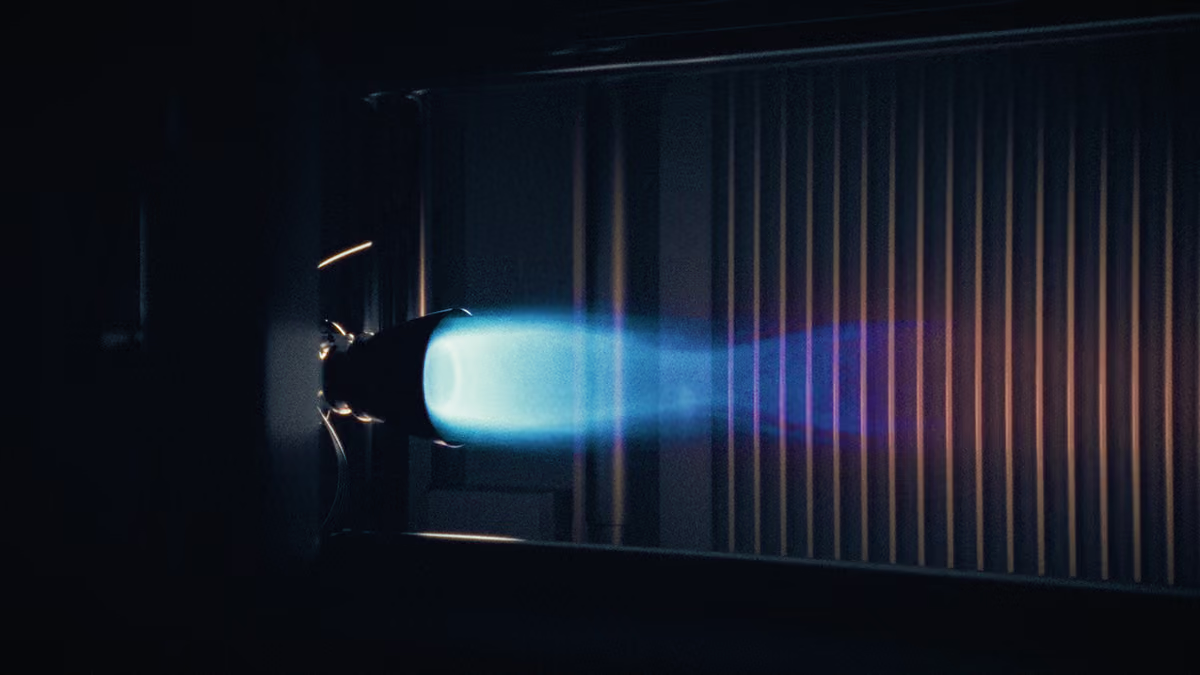
Hot-fire 024 overshot its reference at throttle-up. Compare the firings, inspect what changed, and share the finding.
Keep test history, engineering findings, and review evidence connected as work moves between teams and program stages. Build on what’s already known and carry operational learning back into development.
Component tests
Establish how components behave and preserve the evidence for later system tests.
Integrated systems
Understand how components perform together, with earlier results and design context in reach.
Qualification
Bring checks, comparisons, and unresolved questions into the next readiness review.
Mission operations
Investigate operational behavior with the hardware’s history available, and bring findings back into development.
Operational findings inform engineering
For engineers
Get to answers faster.
For engineering leaders
Keep teams moving together.
For executives
See what’s ready.
Know what’s at risk.
Investigate with earlier test results and engineering context in reach. Reuse useful analysis and carry findings into the next test.
Standardize repeated analysis, share findings across propulsion, avionics, and integration teams, and keep continuity from test campaigns to operations.
Bring test results, review findings, and unresolved issues into readiness, qualification, and mission milestone reviews, so teams can prioritize the work that moves the program forward.
Measured in engineering time.
Fits your stack.
Grows with your program.
Can we keep our existing engineering tools?
Yes. Sift works alongside your acquisition systems, scripts, and dashboards. It integrates with Grafana and LabVIEW, exports to MATLAB, and offers REST and gRPC APIs with Python, Rust, and Go client libraries. Engineers keep the tools they rely on and stop maintaining the glue between them.
Can we compare simulation, ground tests, and operations?
Yes. Simulation runs, ground tests, and operational telemetry share one Asset, Channel, and Run model, so they sit on one time axis. Families align related runs to a reference point such as ignition, compute the normal envelope, and flag a new run that drifts outside it.
Can we bring in data from local or disconnected systems?
Yes. Sift Edge captures and views data beside the hardware, even offline, and syncs selected runs to the shared workspace when connected. Files from disconnected systems can also be imported after the test.
Where can Sift run, and how is access controlled?
Sift runs as cloud SaaS, hybrid, or fully on-premises, including air-gapped environments. Access is set by asset, data set, and user group, with an audit log of every query. Sift is SOC 2 Type II and FedRAMP certified, and supports ITAR-controlled programs.
Can we start with one program, test stand, or production line?
Yes. Most teams start with a structured proof of concept on real program data: one representative workflow, with its formats, sample rates, and review steps. Sift engineers work alongside your team during onboarding, and the same setup extends to more test stands, programs, or lines.
How should we measure the value?
Measure the workflow you start with: time from test completion to an engineering decision, review hours per run, and the effort spent maintaining data infrastructure. Sift customer stories report results in these terms, from review hours saved per engineer to infrastructure costs avoided.
Accelerate your hardware development
Start with the engineering question slowing your team down.
Bring a representative workflow, your data requirements, and the decision you need to make. Work with Sift to identify a useful starting point and how to evaluate it.
Talk to a Sift engineer
Explore the platform