Dust Moto set out to build a new kind of dirt bike: something that bridges the gap between powersports and new emerging mobility tech. Their Hightail offers 42 hp and 660 Nm in a machine under 100 kg, with no clutch and no gearshift. See how a small test team built it with three generations of prototype hardware on one timeline.

Dust Moto at a glance
FOUNDED
2023
HEADQUARTERS
Bend, Oregon
MISSION
Create a new golden age for powered two-wheel recreation by bridging the powersports industry to emerging mobility tech.
BUILDING
The Hightail, an all-electric dirt bike built in America.
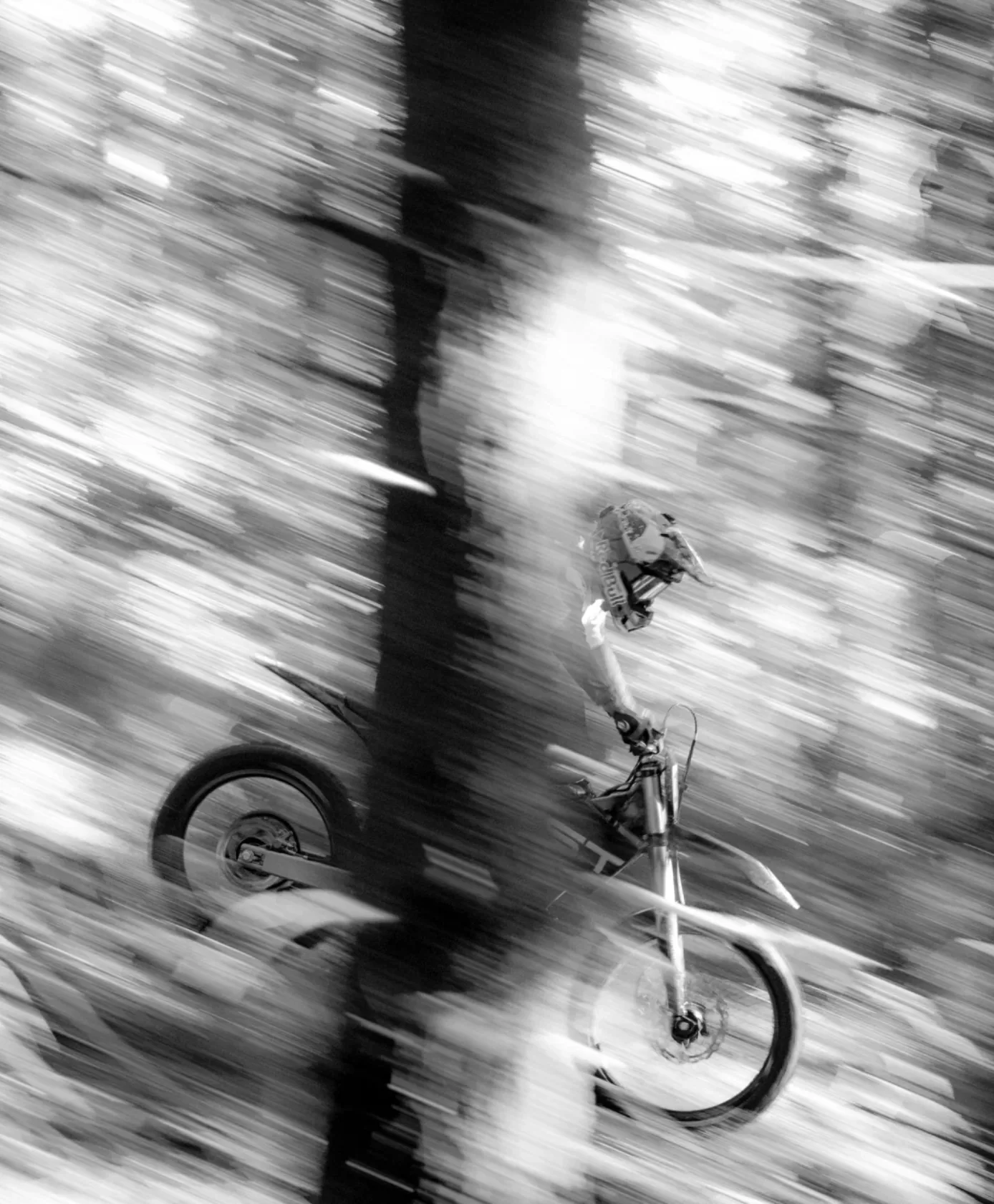
Dust Moto started in 2023 in Bend, Oregon with an unreasonable goal: to build affordable electric vehicles that unite the rider, the machine, and the environment. The vehicle has to be fun and it has to be made American. The Hightail is the answer. It makes 42 hp and 660 Nm at the wheel in a machine under 100 kg, with the mass centered low enough that the bike turns on rider input instead of muscle.
The bike doesn’t have a clutch. No gearshift. No foot controls. A powertrain built on motorsport-grade helical gears and heavy-duty roller bearings, and an electric drivetrain that needs virtually no maintenance. Dust is still iterating on all of it, one prototype generation to the next, and all the data goes to Sift.

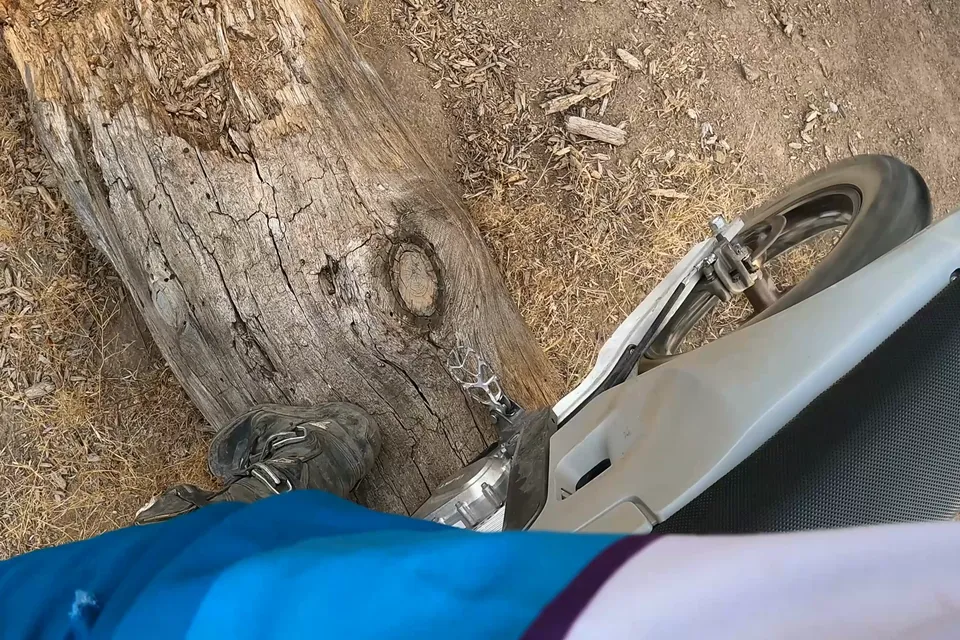
Dust's loggers write MF4 files that have to be decoded before anyone can read them. Left alone, each ride becomes another folder on somebody's drive with custom scripts. Comparing last month's thermal run to this week's turns into a manual job nobody has time for.
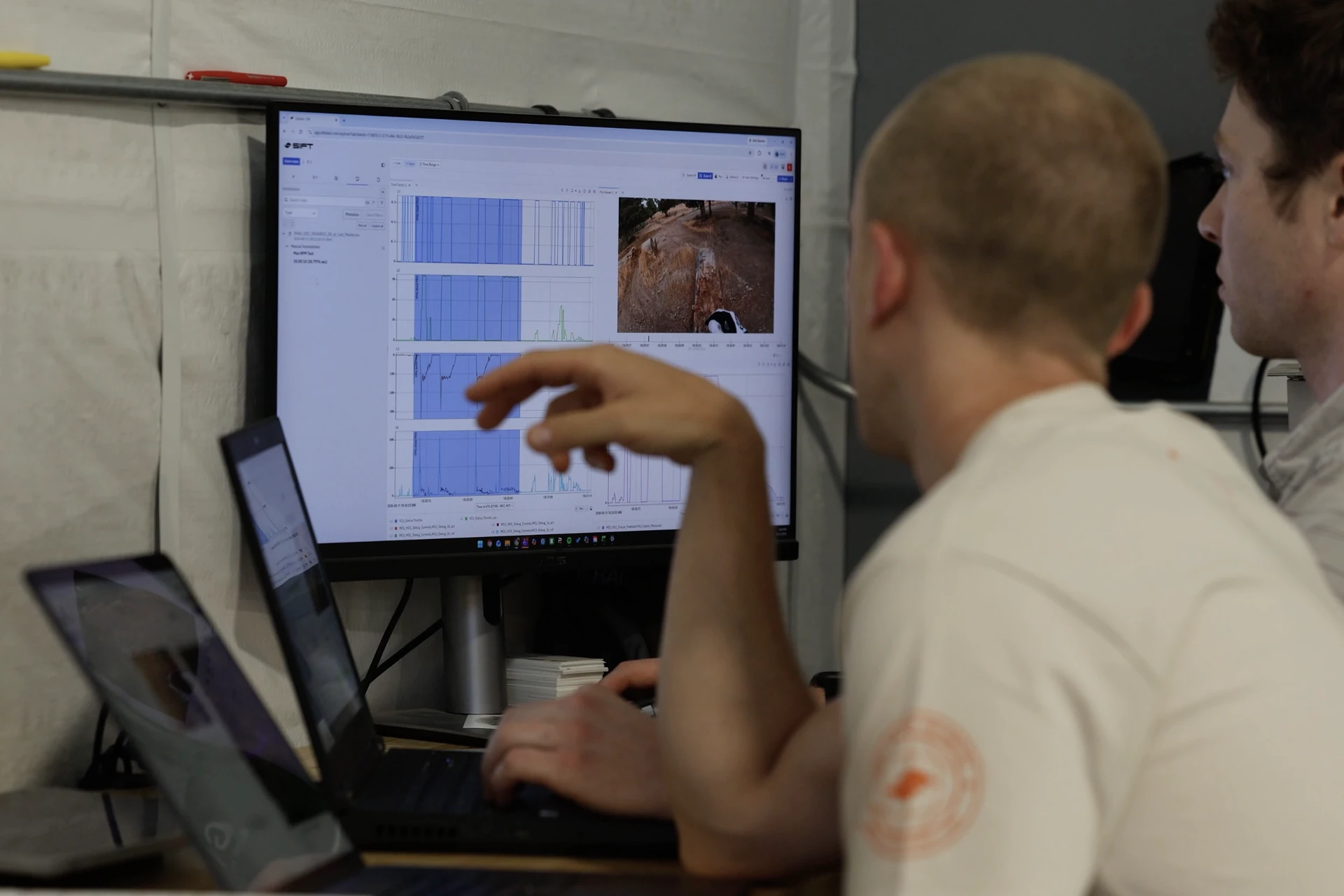
Decode the log, import it, name it by campaign. Plot any channel against any other, mark what matters, and let the annotation travel with the data. Build a calculated channel once and point it at the next bike. Dust does all of it in Sift.
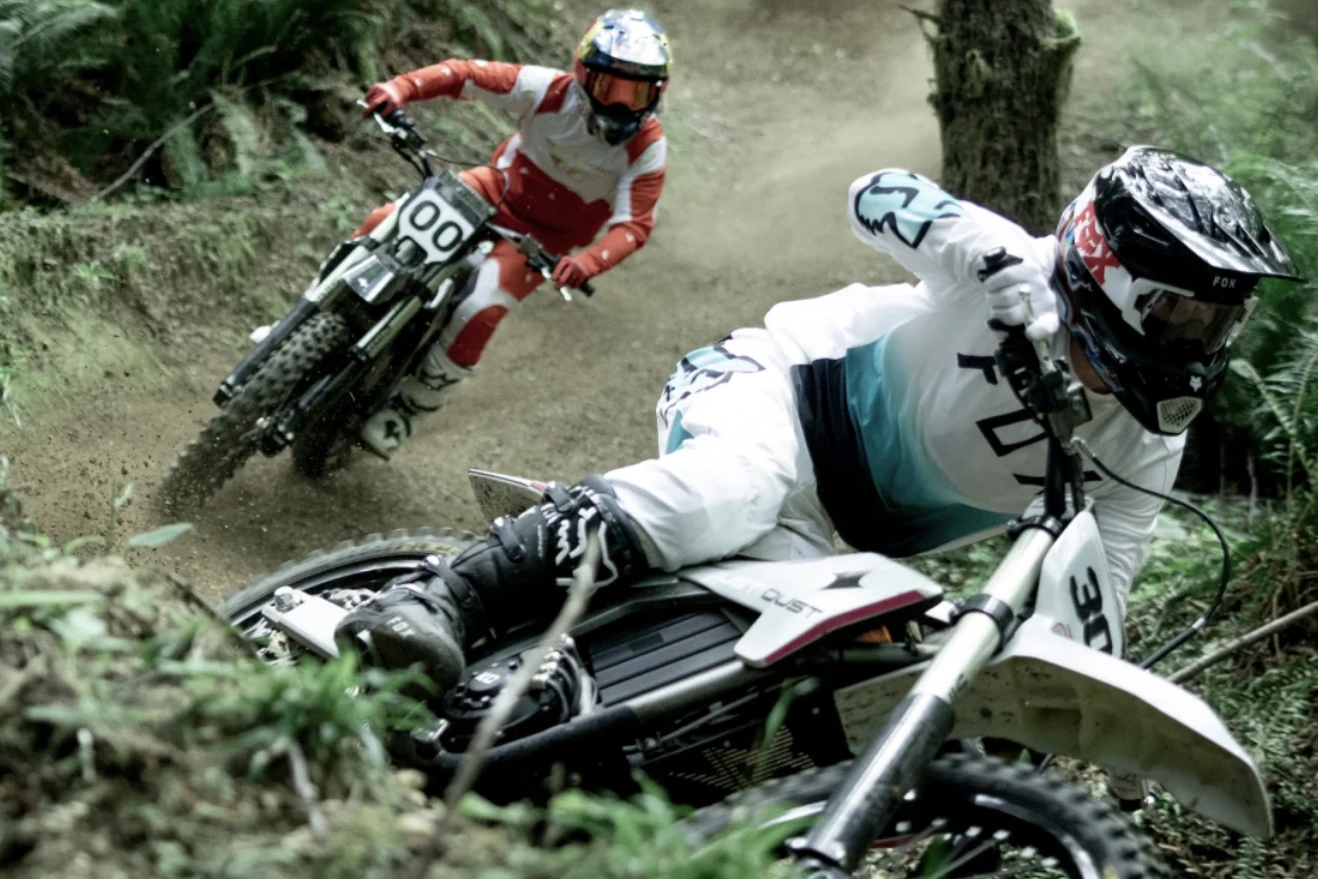
Rules check each run against thermal and drivetrain limits before an engineer opens it, so review starts at the moments that matter. Three bike generations sit on one timeline, comparable to each other. When LiveWire engineers arrived, they built on the practice that was already there.
In their own words
I'm one engineer covering a whole test program. Sift is where the rides go, so when something looks wrong I'm not hunting for the file, I'm already looking at it.
Ronny VenaMechanical Engineer, Dust Moto
I've spent a good part of my career writing scripts to do what Sift does out of the box. I'd rather my engineers spend that time on the vehicle.
Daniel LehrbaumHead of Product Development and Design, LiveWire
LiveWire acquired Dust Moto in May 2026
We're a small team with a bike to ship. Every hour we don't spend wrangling data is an hour that goes into the Hightail.
Colin GodbyFounder and CEO, Dust Moto
42hp
Peak power
From a motor small enough to disappear into the frame. Holding that output without cooking the drivetrain is what the thermal campaigns exist to prove.
660Nm
Torque at the wheel
Delivered with no clutch and no gearshift in the way. All of it has to arrive smoothly and predictably, which is what the drivetrain rules watch for.
Under 100kg
The whole bike
Light enough to turn on rider input instead of muscle. Weight that low leaves no margin for an overbuilt part, so every one of them gets tested.
184 hours
Ride and lab time captured in Sift
Across 181 runs, from hard enduro laps to dyno pulls to named lab campaigns. The record behind a bike heading to production.
Sift for electric powersports
Thermal behavior is hard to argue about from memory, and harder to settle from a screenshot. Correlate video, audio, and bike performance metrics all in one workspace. Put the test runs side by side, read the curves, and a tricky call becomes a decision the whole team can check.
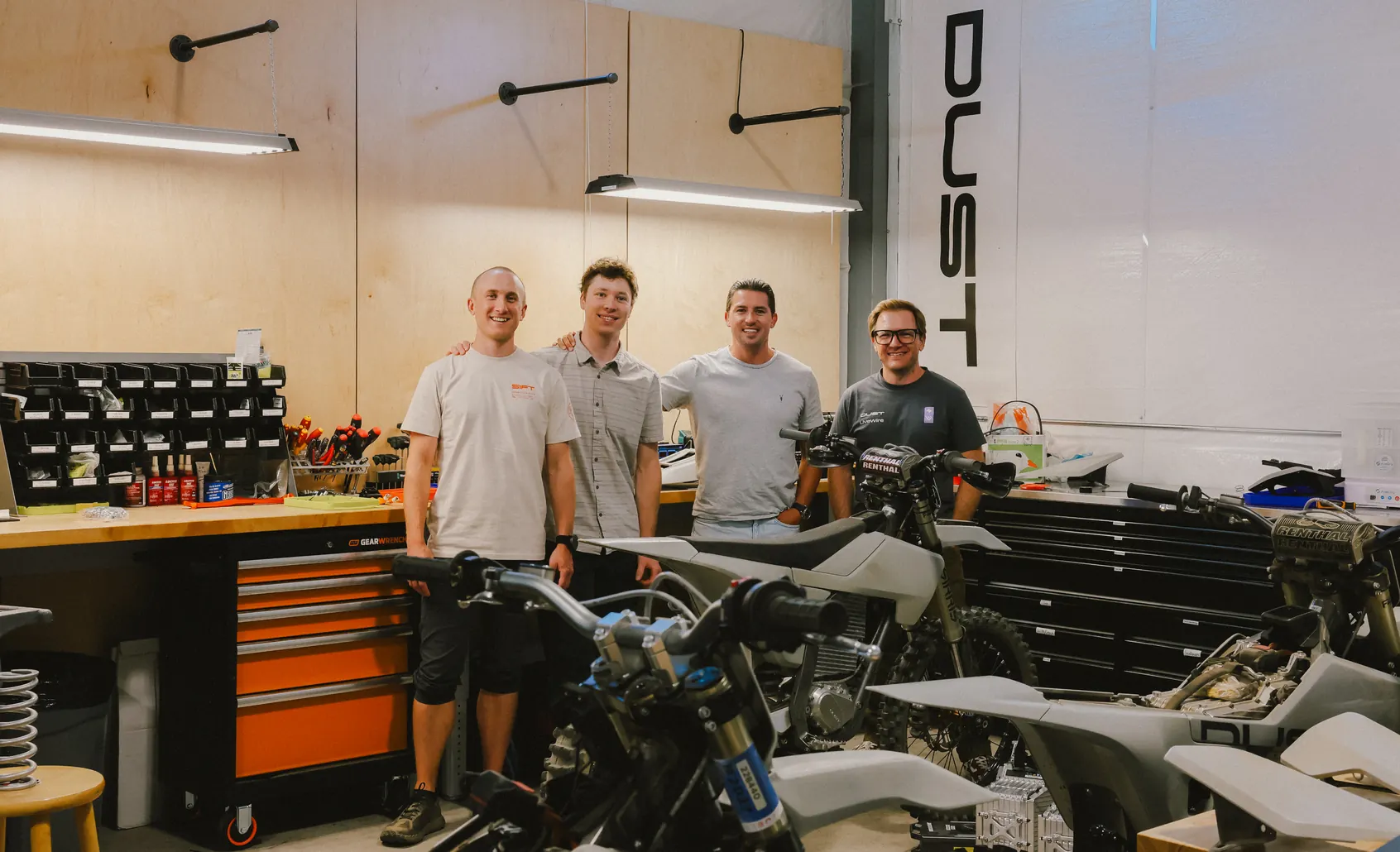
Work with partners in various locations to quickly iterate on the characteristics of the bike. The Dust team in Bend is able to get a specific issue shared with the team in Milwaukee and continue to iterate together with a few click rather than having to send screenshots, files and scripts.
Name every run by campaign, build the calculated channels once, and point them at new hardware when it shows up. Dust took the same conventions from Frame 4 through the Gamma prototypes without starting over, and engineers joining later joined a working practice instead of a folder of files.
Sift features
Read any signal against any other
→
Bring temperature, torque, throttle, and speed into one no-code workspace with Explore, where most of Dust's review work happens.
Check every run automatically
→
Codify thermal and drivetrain limits once in Rules, and every imported run gets assessed against them without anyone remembering to.
Build the math once, reuse it everywhere
→
Define range, efficiency, and smoothing as calculated channels, then point them at the next bike generation instead of rebuilding them.
Keep context with the data
→
Mark an event where it happened with annotations, so the next engineer opens the ride already knowing what to look at.
See where the ride actually went
→
Plot GPS alongside the telemetry so a signal anomaly can be tied to a spot on the trail.