A 10–20 minute test flight generates 5–10 GB of telemetry. See how CX2 turns that data into same-day fault isolation to keep flying, fast.
K2 at a glance
FOUNDED
2024
HEADQUARTERS
El Segundo, California
MISSION
Enable forces to operate decisively in GPS-denied, unmanned, and contested environments
BUILDING
AI-enabled electronic warfare systems that dominate the electromagnetic spectrum
The next era of conflict will be fought on the electromagnetic spectrum, and CX2 is building the systems to win it: adaptive, autonomous electronic warfare platforms for environments where there are no second chances. Backed by a $31M Series A led by Point72 Ventures, with a16z and 8VC, CX2 is already testing with the Army's 10th Mountain Division.
Winning the spectrum means relentless testing. A single 10–20 minute flight generates 5–10 GB of telemetry, and every anomaly has to be understood before the next flight. Every hour between discovery and diagnosis is risk carried forward.
CX2's platforms move fast; CSVs, raw logs, and Drive uploads can’t keep up. Rather than pull engineers off the mission to build a pipeline that would serve one team and stall the rest, CX2 put its telemetry on Sift and turned every flight into a same-day answer.

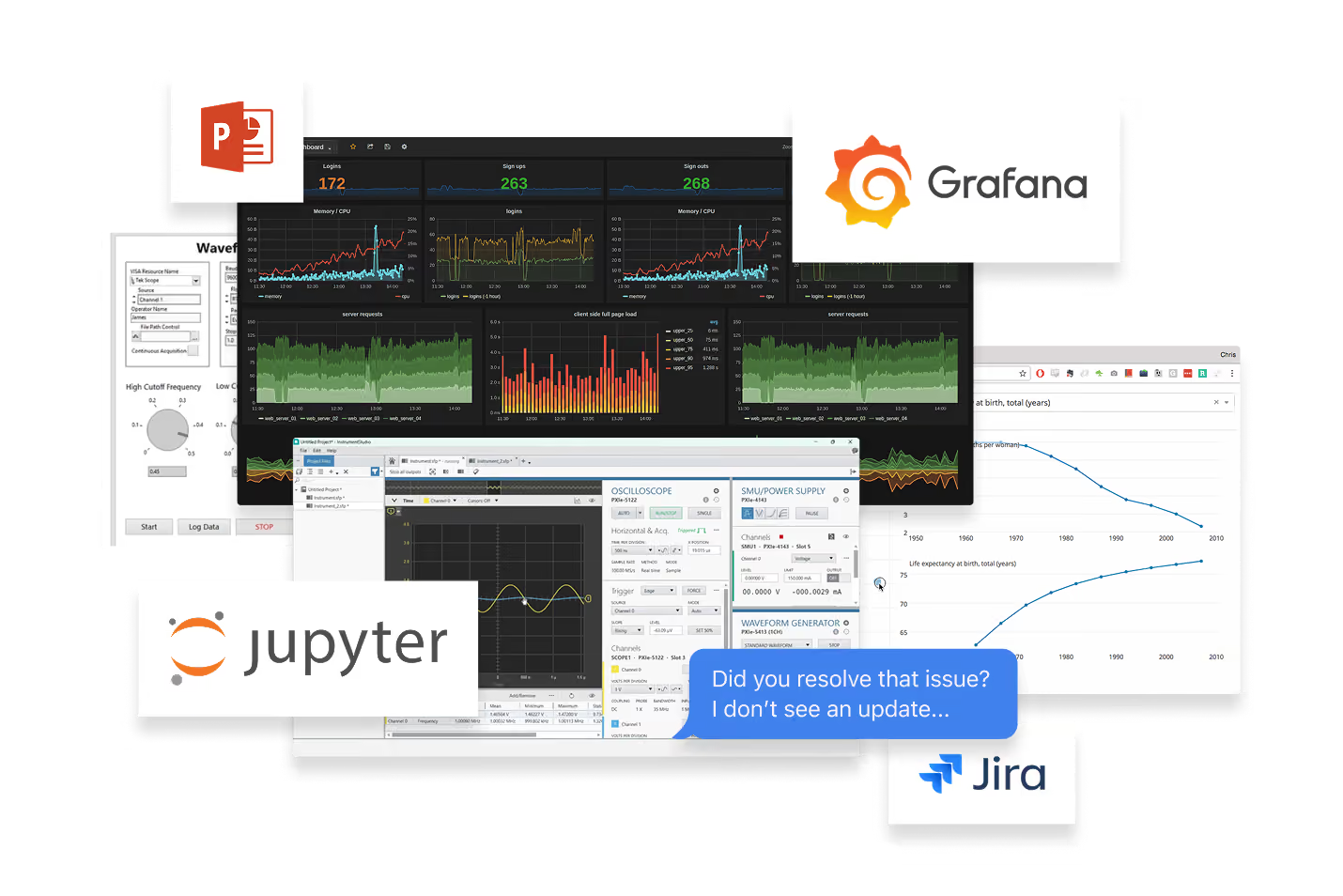
As CX2's flight tempo climbed, gigabytes of telemetry piled up in CSVs and Drive folders. Recorded data that no one can analyze is useless, and field testing meant waiting days to understand what happened.
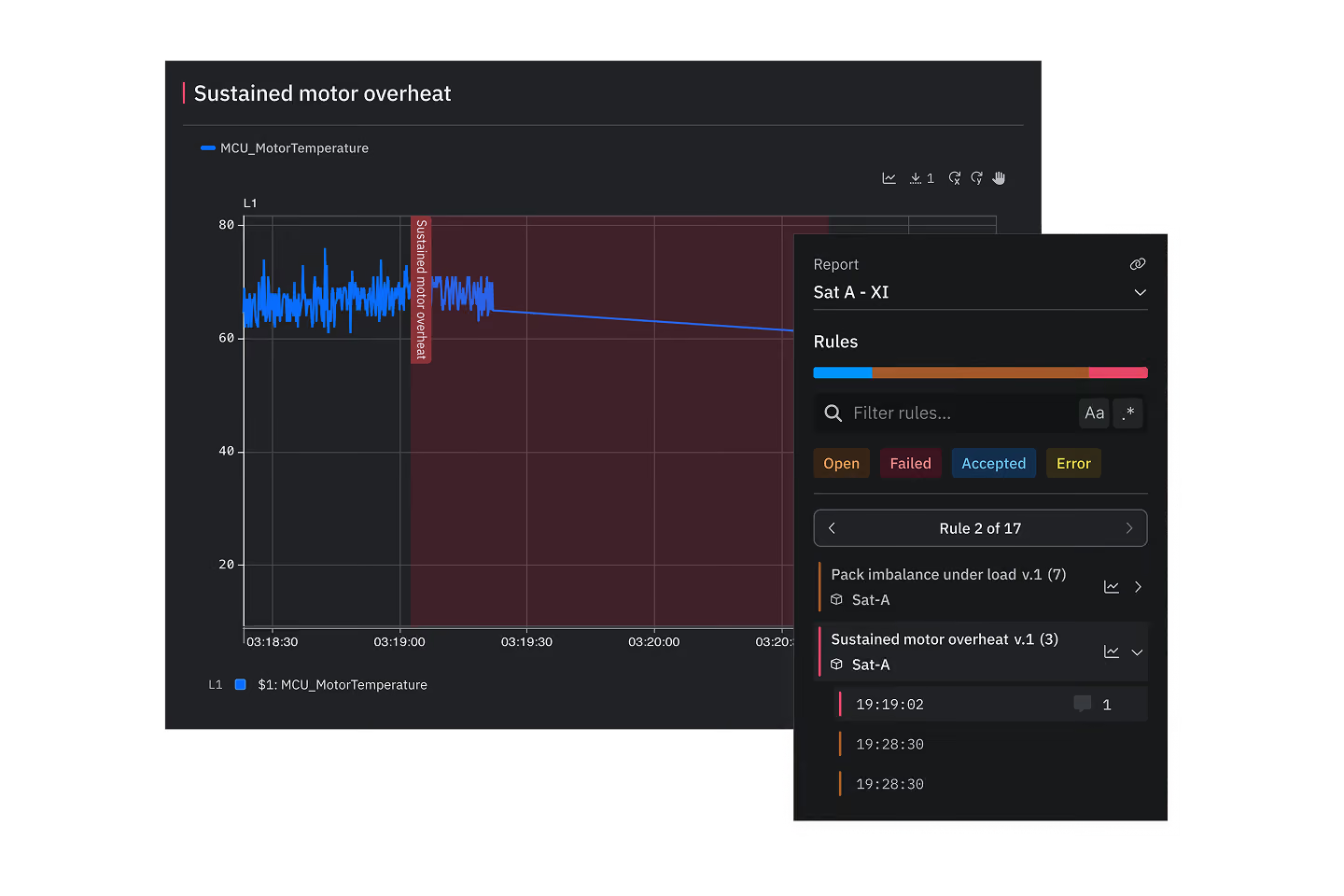
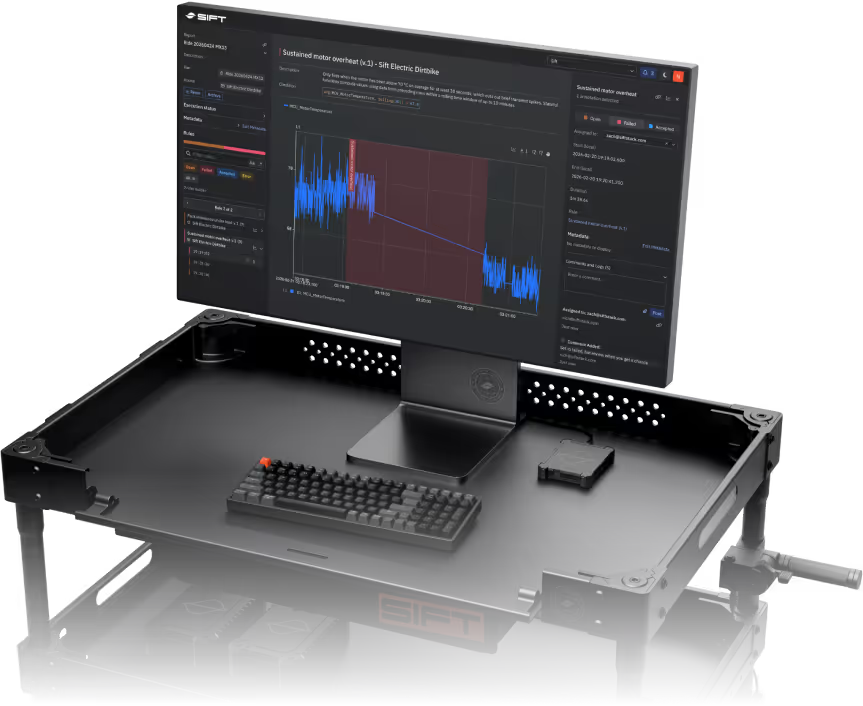
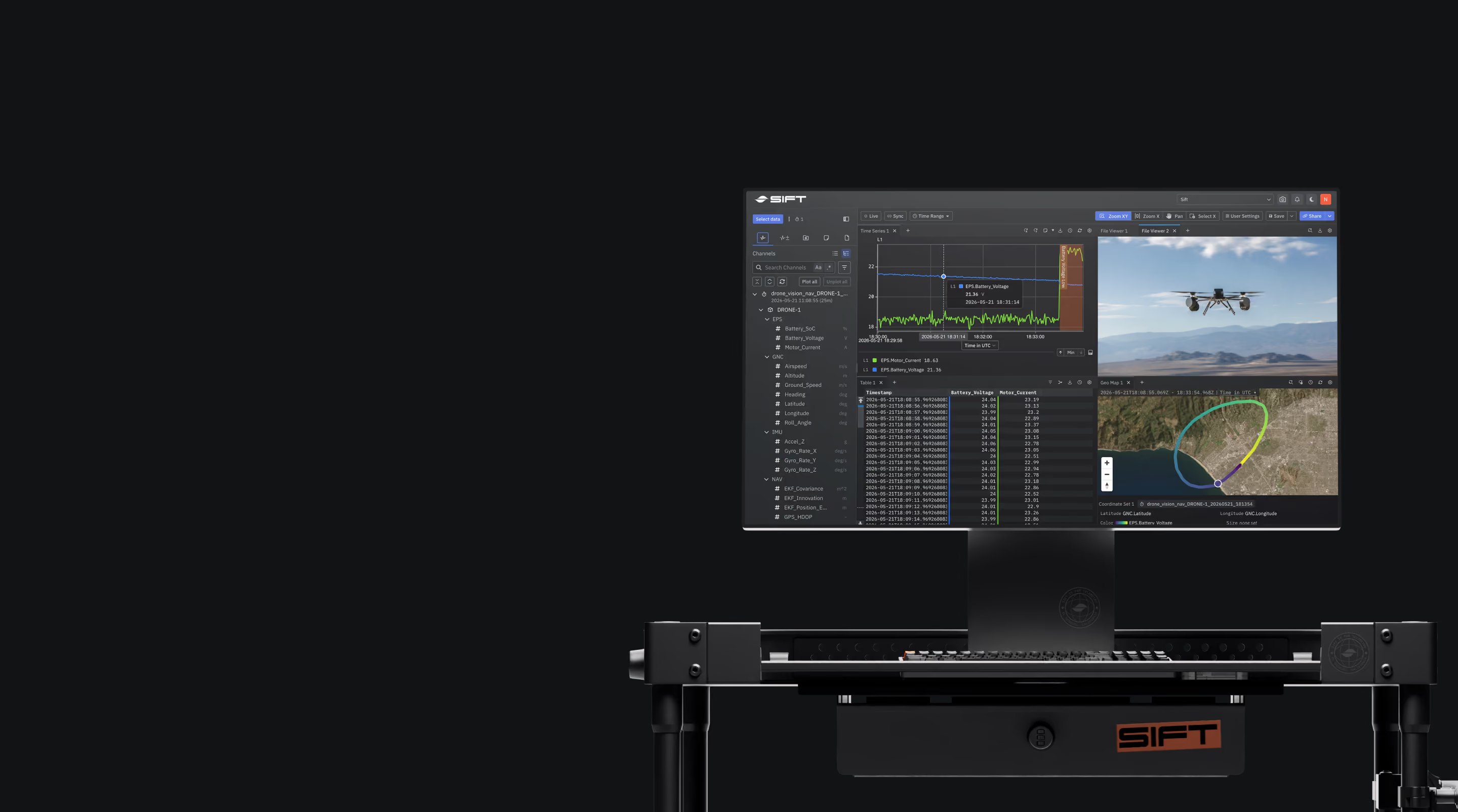
Sift gives CX2 maps, audio, video, logs, and time series in one no-code workspace, with no parser needed for every sensor log. The whole team reviews the same data, and flight paths plot directly against sensor values.
.png)
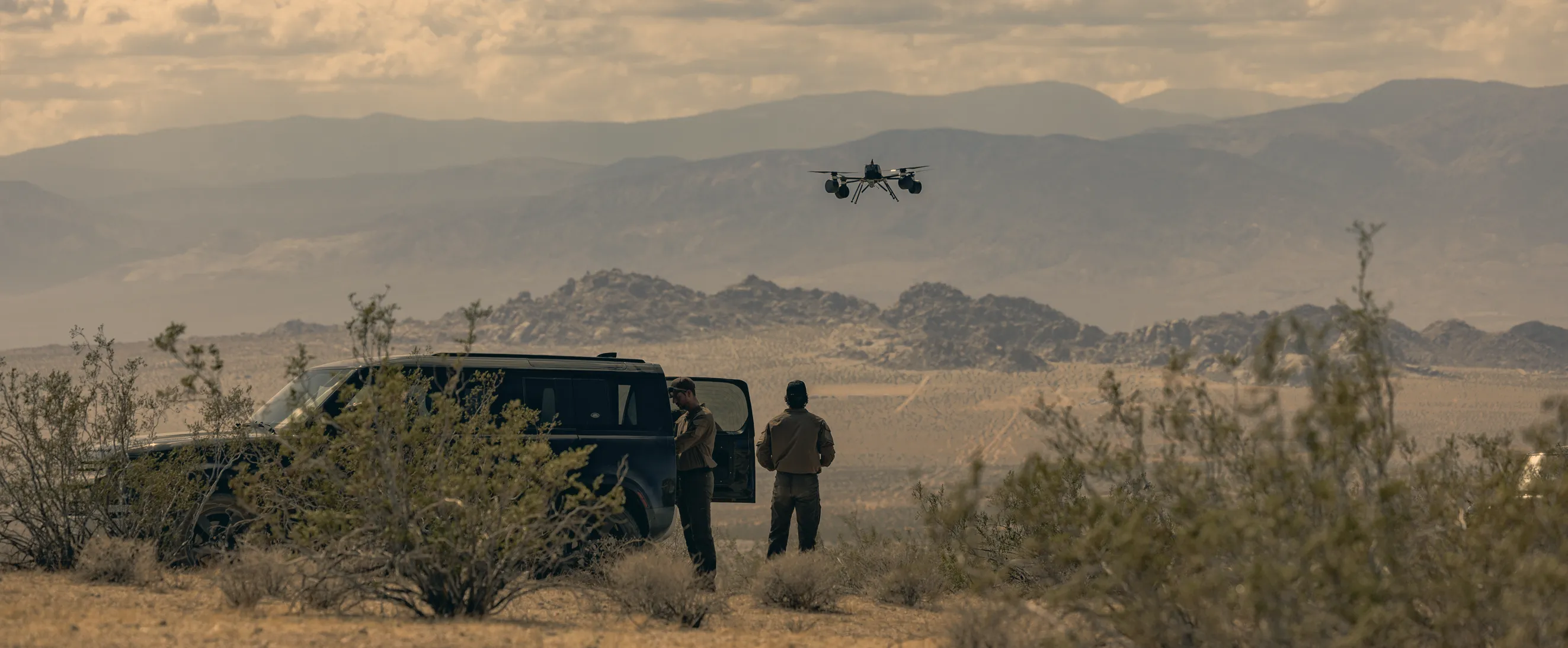
After a platform fault in a desert test, CX2 isolated the issue in about four hours. Review that once took days now finishes before the next flight, with one instruction: check the Sift link.

In their words
We analyzed the flight, crossed out branches of the fault tree, and isolated the issue. That just wouldn't have been possible without Sift.
Blair Gagnon Lead Hardware Engineer, CX2
5–10 GB
Of flight data per test (from a 10–20 minute test flight)
Every gigabyte lands in Sift the same afternoon, ready to review instead of sitting in a Drive folder.
~4 hours
Time to fault isolation and root cause
From telemetry push to answer. A desert-test platform fault was traced and isolated the same day the team got back.
Days to hours
Analysis and data review time reduced
Review that once held up the schedule now finishes before the next flight, so no test cycle waits on the last one.
1
Shared source of truth across CX2's team
Every asset, every test, every test stand on one platform, so no one guesses which version of the logs is current.
Sift for Defense
CX2's engineers push each flight's telemetry to Sift the same afternoon instead of waiting days to learn what happened. That speed turns every test cycle into a same-day answer and keeps the next flight on schedule.
CX2 adopted Sift out of the box rather than building a pipeline that would serve one team and stall the rest. CX2 engineers preserve their engineering velocity and keep building while Sift handles the data wrangling.
CX2's whole team reviews the same data in Sift, so no one guesses which version of the logs is current. Every asset, every test, every test stand, all on one platform.
Sift features
Review maps, audio, video, logs, and time series side by side
→
Bring every data type into one no-code workspace with Explore, no parser required per sensor log.
Catch out-of-bounds telemetry automatically
→
Define asset, channel, and expression logic with rolling-window functions in Rules, so anomalies surface the moment they appear.
Share the exact view you’re looking at
→
Send the precise signal, scale, time window, and annotations to anyone with Sift sharelinks.
Generate audit-ready compliance reports in one click
→
Aggregate test results against requirements and keep programs moving with Sift Reports.
Mark up signals and events right where the data lives
→
Keep context traveling with the data through every review with inline annotations.
Protect sensitive programs while still sharing specific telemetry
→
Govern exactly who sees which data with attribute-based access control.