


Sift for Manufacturing
Understand your process.
Improve what comes next.
Connect machine telemetry, operator observations, and quality results from every production run. Investigate process changes, check each run consistently, and carry what your team learns onto the line.
Find what changed.
Carry the answer into production.
Bring machine signals, material lots, process settings, and quality results into one shared record for the next production decision.
Why did press force rise after the lot change?
Run 024 pressed harder from cycle 312. Compare it with known-good production, inspect the lot change, and share the finding.
Keep process history, engineering findings, and review evidence connected as work moves from development to the line and between shifts. Build on what’s already known and bring production learning into the next change.
Process development
Establish known-good process behavior and keep the evidence for the pilot line.
Pilot line
Compare early runs with development results, settings, and material context in reach.
Production
Apply established checks on every shift and trace quality questions to process history.
Continuous improvement
Investigate drift with the line’s history available, and bring findings into the next process change.
Production findings inform the next change
For engineers
Get to answers faster.
For engineering leaders
Keep teams moving together.
For executives
See what’s ready.
Know what’s at risk.
Troubleshoot with earlier runs, settings, and quality results in reach. Reuse useful calculations and carry findings into the next change.
Standardize repeated analysis, share findings across shifts and lines, and keep continuity between process, quality, and operations.
Bring production consistency, quality investigations, and open issues into operations reviews, so teams can prioritize the work that keeps lines running.
Measured in engineering time.
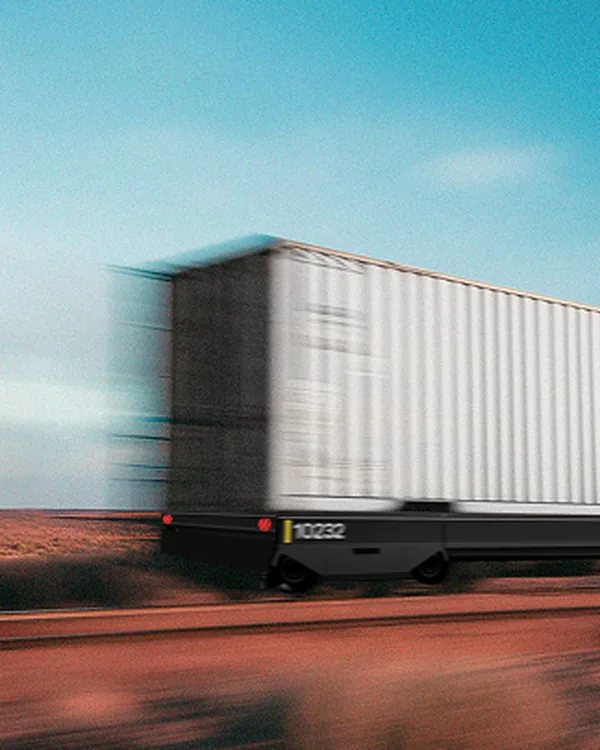
Parallel Systems and CX2 are shown as adjacent-industry evidence.
Fits your stack.
Grows with your program.
How does Sift fit with our historian and control systems?
Sift stores, retrieves, and trends time-series data, with the analysis in the same platform. It stays out of control and safety: your DCS, alarm management, and safety systems stay as they are. Data arrives through streaming, MQTT, the API, or file import, and exports to CSV, Parquet, or MATLAB.
Can we compare machines, shifts, and material lots?
Yes. Each production run is recorded against its machine, with shift, lot, and operator context kept beside the data. Families align related runs and compute the normal envelope, so a new run, lot, or process change is compared against established behavior rather than a single reference.
Can we bring in data from local or disconnected systems?
Yes. Data can be streamed, sent through the API, or imported from files after a run, so isolated lines and older equipment join the same record.
Where can Sift run, and how is access controlled?
Sift runs in the cloud or fully on-premises, with the same capabilities in each. Access is set by asset, data set, and user group, and an audit log records every query.
Can we start with one program, test stand, or production line?
Yes. Most teams start with a structured proof of concept on real program data: one representative workflow, with its formats, sample rates, and review steps. Sift engineers work alongside your team during onboarding, and the same setup extends to more test stands, programs, or lines.
How should we measure the value?
Measure the workflow you start with: time from test completion to an engineering decision, review hours per run, and the effort spent maintaining data infrastructure. Sift customer stories report results in these terms, from review hours saved per engineer to infrastructure costs avoided.
Accelerate your hardware development
Start with the engineering question slowing your team down.
Bring a representative workflow, your data requirements, and the decision you need to make. Work with Sift to identify a useful starting point and how to evaluate it.
Talk to a Sift engineer
Explore the platform