Parallel Systems is on a mission to build an autonomous, zero-emissions rail cars. To bring them to market, the team needs test infrastructure that scales with the fleet, not against it. Here's why Parallel chose Sift.
Parallel Systems at a glance
FOUNDED
2020
HEADQUARTERS
Los Angeles, California
MISSION
Moving short-haul freight off trucks and onto rail
BUILDING
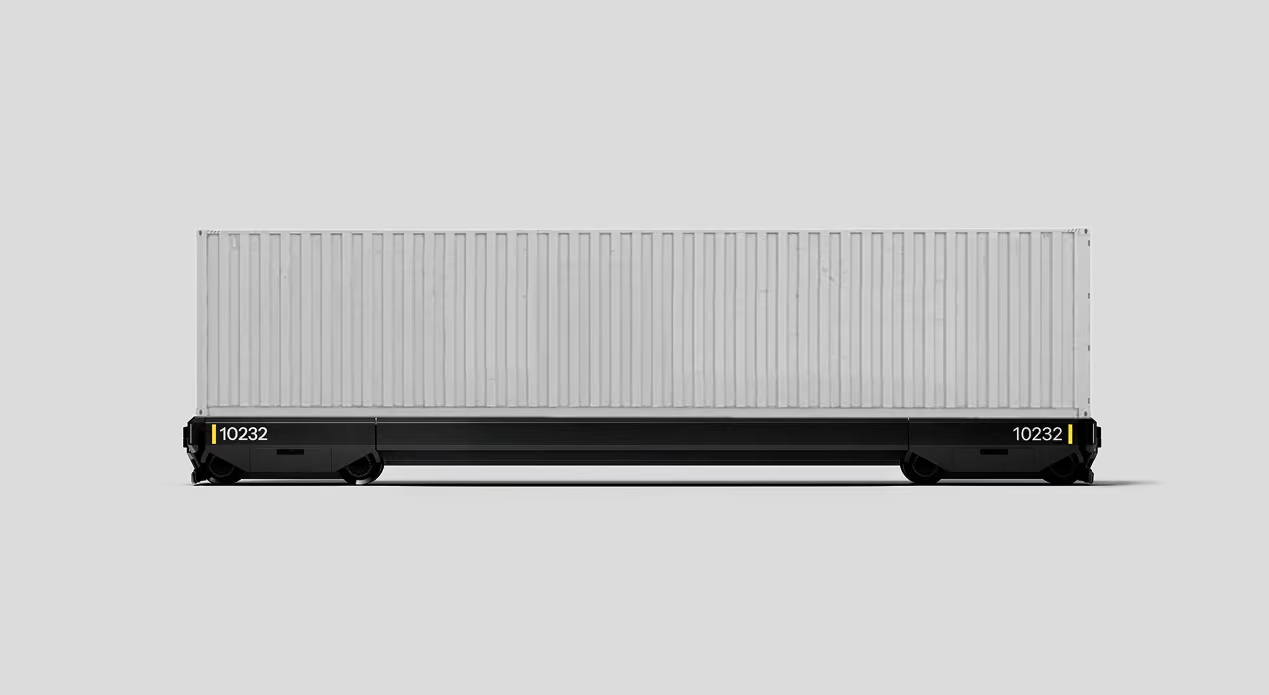
Autonomous, electric, zero-emissions rail vehicles that carry standard shipping containers
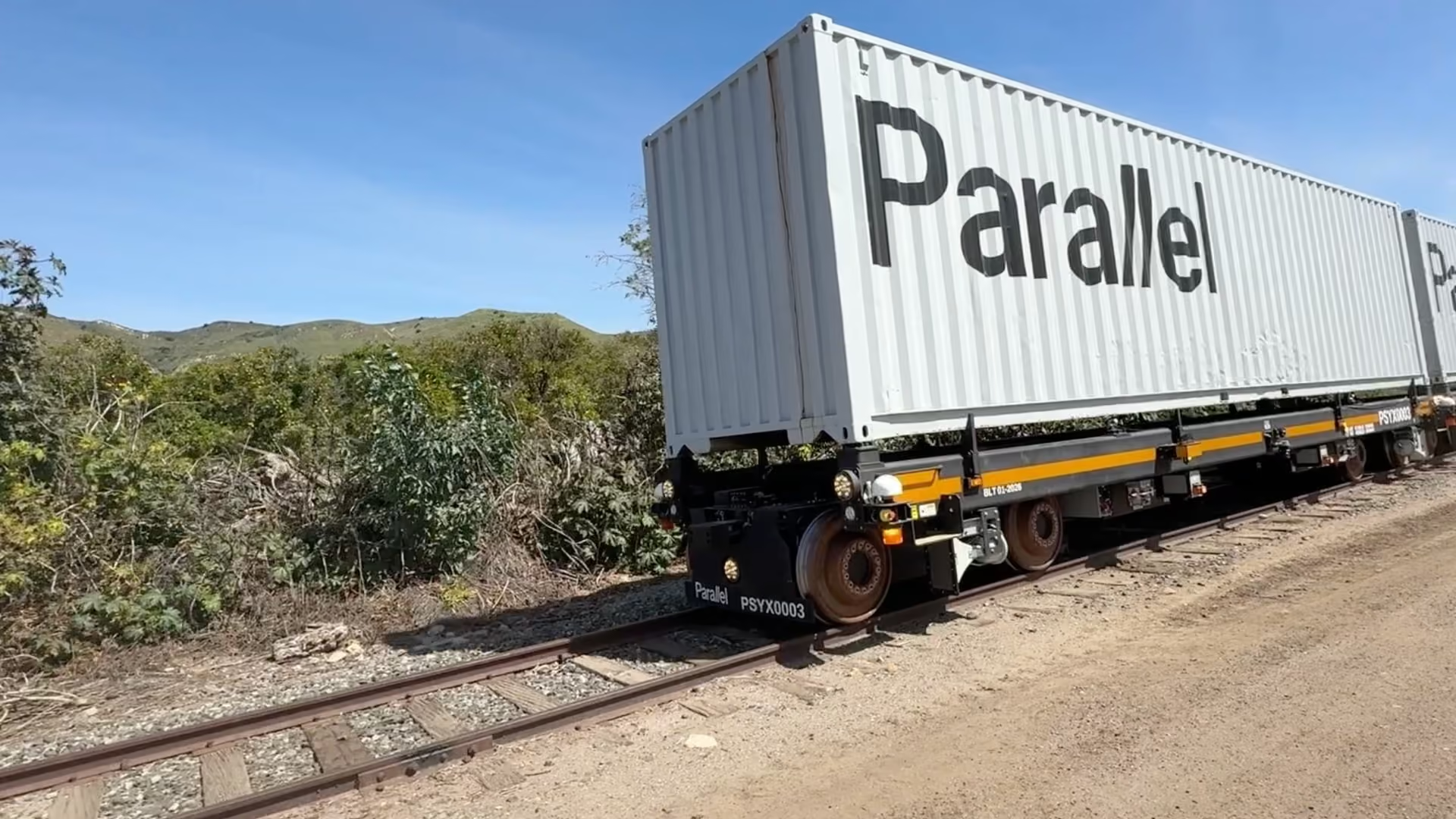
Parallel Systems builds autonomous, battery-electric rail vehicles that carry standard shipping containers on existing rail networks. The goal is to cut emissions by moving short-haul freight off of trucks. With Federal Railroad Administration approval, a commercial pilot launched in 2025, and $100M in funding, Parallel is scaling toward a fleet.
Autonomous rail earns its place by proof. Parallel must show regulators and customers that its vehicles meet or exceed the safety standard of conventional freight rail, a detailed body of evidence built from analysis, testing, and demonstration. That takes enormous volumes of vehicle telemetry, and none of it can be thrown away.
Parallel's in-house telemetry stack worked at ten engineers and one vehicle, then scale broke it: ballooning storage costs, a slow UI, manual reporting, and engineers scaling databases instead of building machines. Rather than rebuild it themselves, Parallel moved everything to Sift and put every engineering hour back on the vehicle.

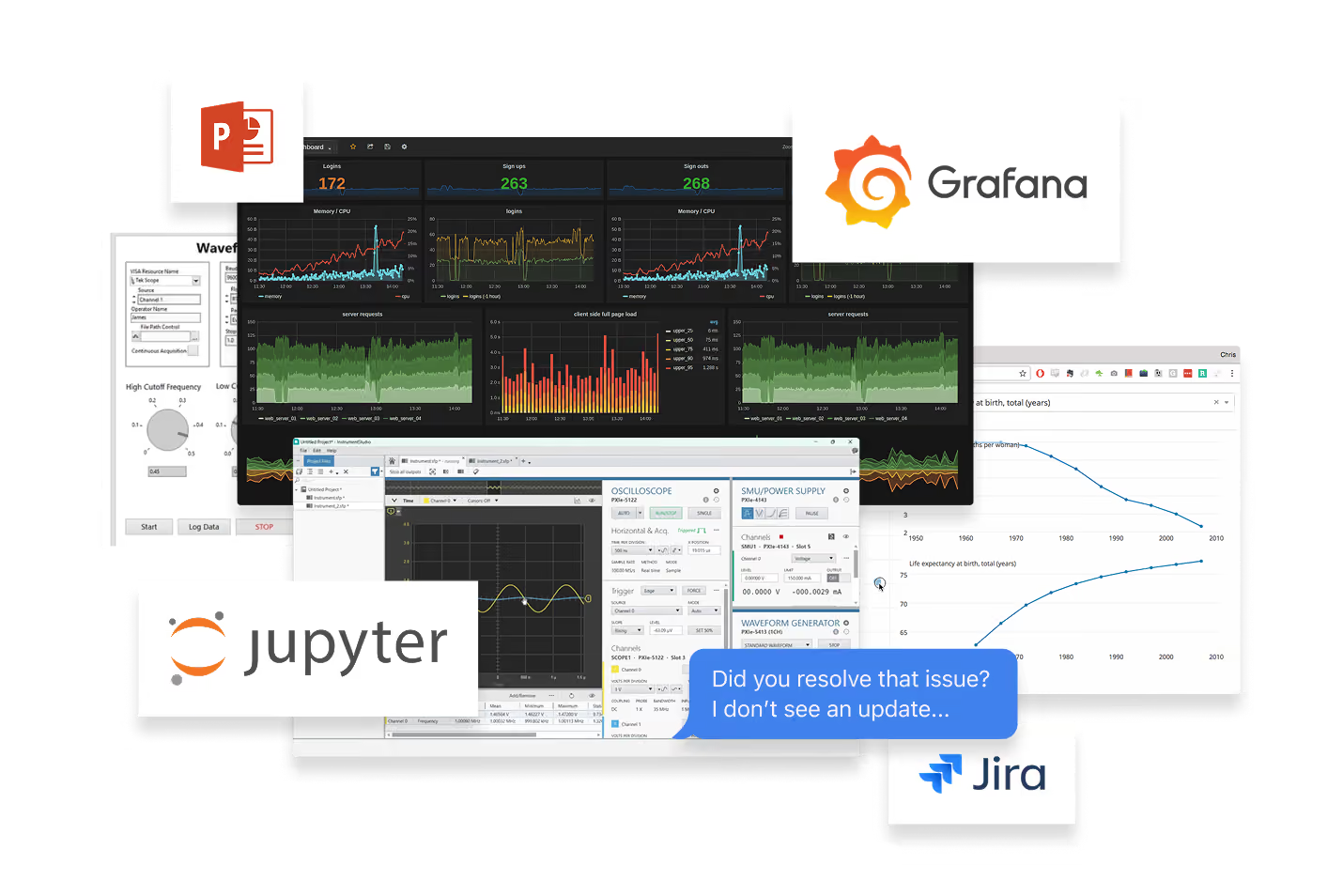
Parallel's open-source telemetry system was built for a small team and a single vehicle. As operations scaled, storage grew untenable, data review slowed, and reporting stayed manual. Multiple engineers were diverted to keep the pipeline running and cutting data storage was never an option.
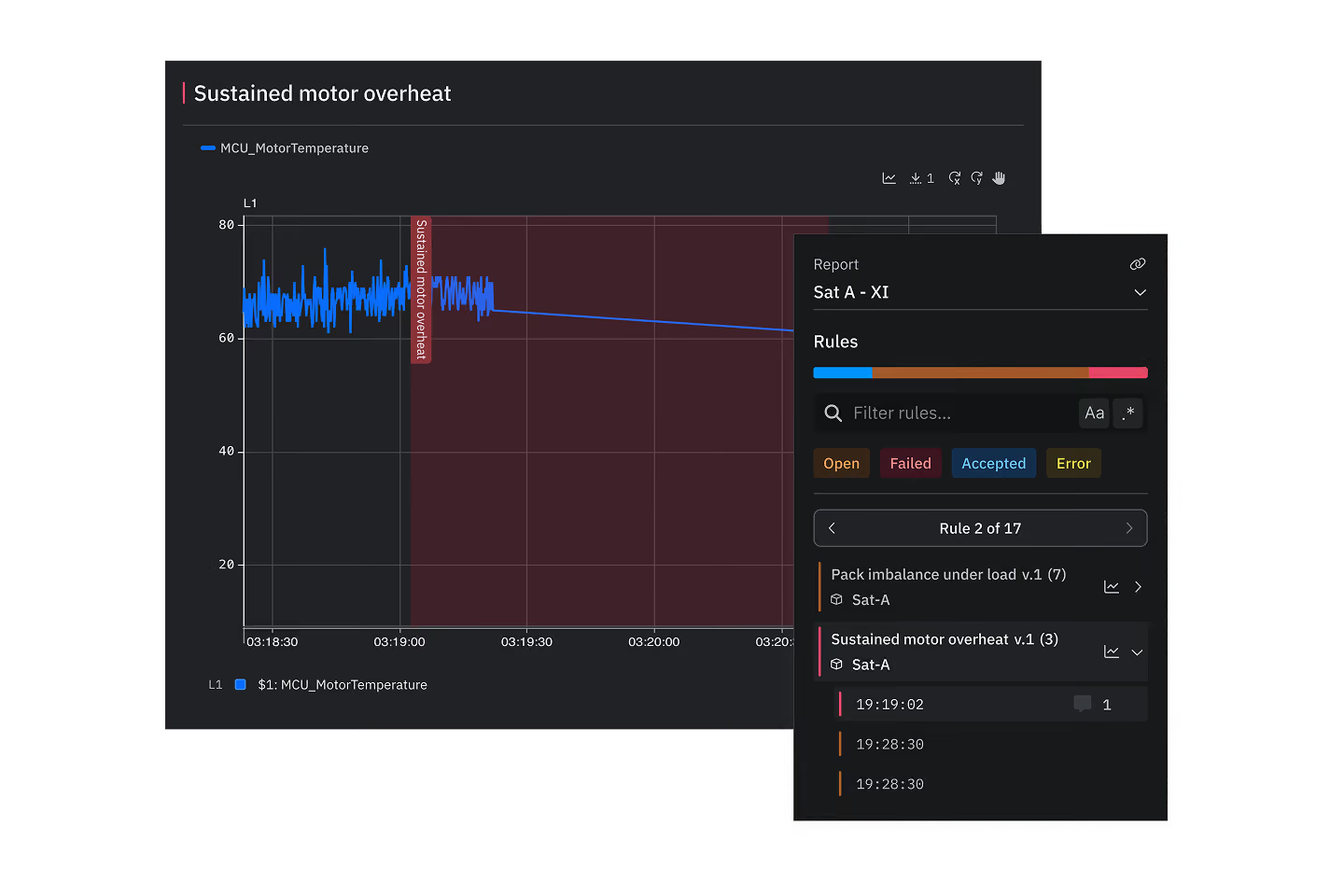
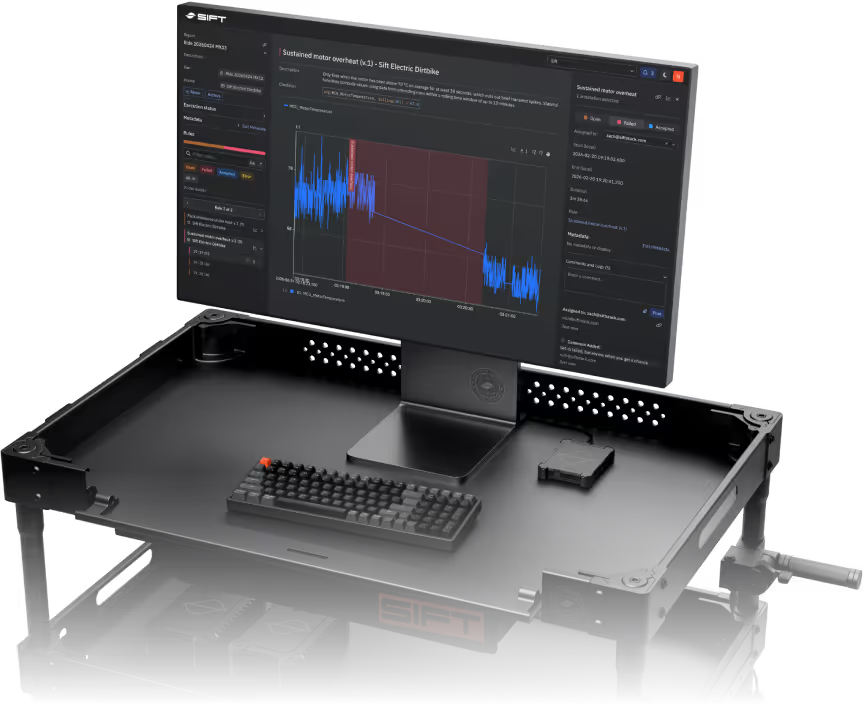
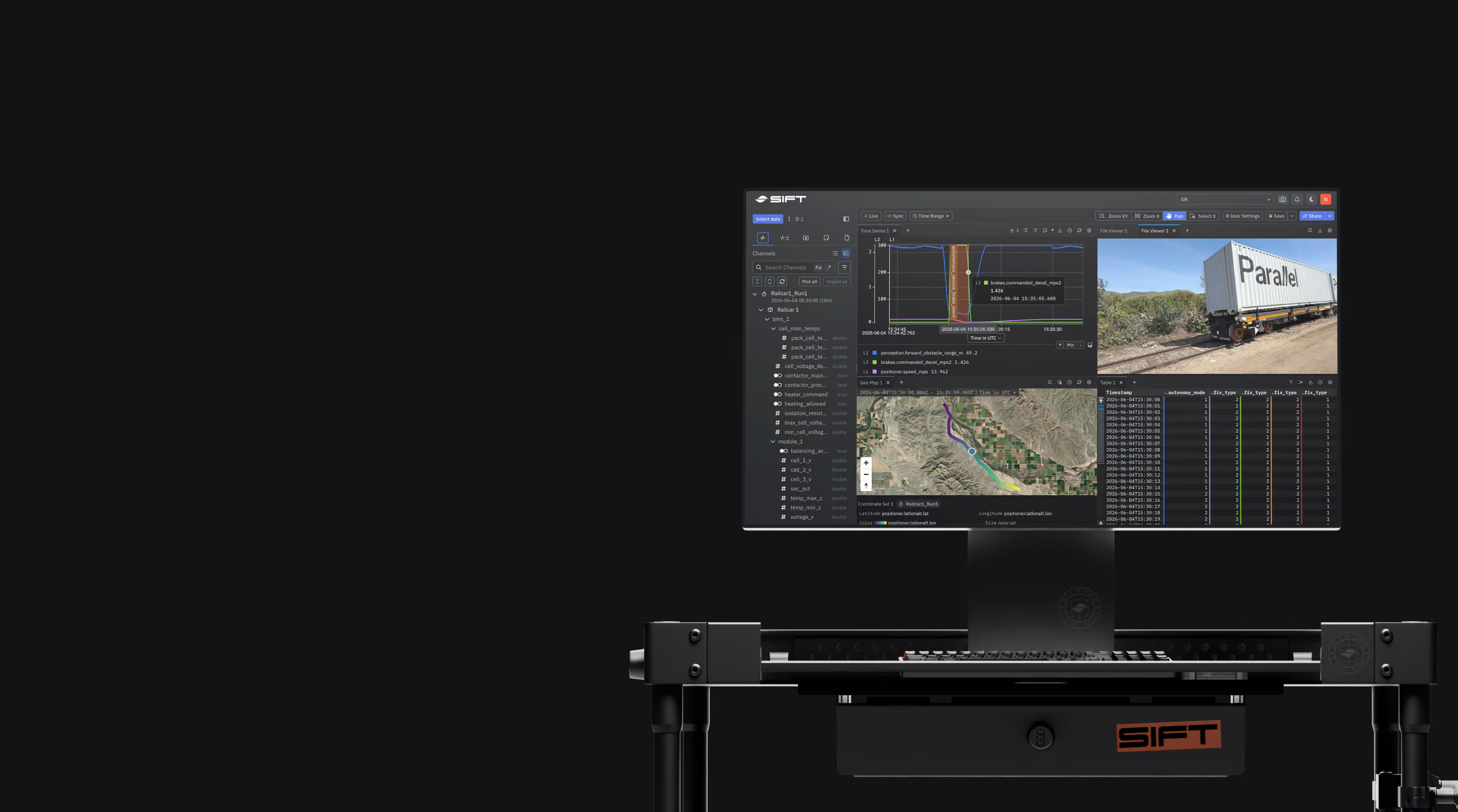
Parallel moved every vehicle signal onto Sift and ran the full loop in one place. Rules flag out-of-bounds behavior across the fleet automatically, the data review workflow carries each railcar from raw telemetry to a reviewed result, and Reports assemble regulator-ready evidence as tests land.
Parallel cut infrastructure costs 85% and saves more than $140k in engineering costs per year. Data review returns 150+ hours per engineer per year; per-vehicle analysis takes minutes; and the engineers who once scaled databases now build railcars.

In their words
With so much riding on these machines, every engineer diverted to fixing our dated telemetry system feels like lost momentum. We needed a modern solution to help move us forward.
Tom Praderio, Director of Engineering, Parallel Systems
85%
Reduction in infrastructure costs
Sift's storage infrastructure replaced a system that grew more expensive with every vehicle, and search got faster at the same time.
>$140k
Engineering cost savings per year
The engineers who were scaling databases and chipping away at pipeline feature requests now build vehicles.
150+ hrs
Saved per engineer per year on data review
Reviews that crawled through a dated UI now run through Sift's data review workflow, with long-term views on every aspect of the vehicle.
Minutes
Time to per-vehicle analysis
Detailed, long-term analysis of any vehicle in the fleet, ready in minutes instead of hours of manual assembly.
Sift for Transportation
Parallel generates enormous volumes of vehicle telemetry they can't afford to lose. On Sift's storage infrastructure, they shrank their infrastructure costs by 85% and sped up search, keeping every signal they need for testing while retaining only what matters long term. With Sift, Parallel generates all the data it wants and still pulls longitudinal insights across vehicles, without ballooning cloud bills.
Parallel analyzes vehicle behavior across a growing fleet, not just one railcar. On Sift, the team automatically flags issues and anomalies, running detailed, long-term analysis of each vehicle in minutes. Parallel scales toward hundreds of vehicles while keeping the safety bar that autonomous freight rail demands.
Parallel's engineers must prove to regulators and customers that autonomous rail meets or exceeds conventional freight safety. With Sift, they automate the entire process from data review through report generation, dropping the cumbersome manual reporting in common business tools and tailoring each report to its audience. Parallel builds its body of evidence faster, on one timeline from test to ops.
Sift features
Keep every signal without ballooning cloud bills
→
Parallel cut their database costs by 85%, retaining what matters and searching it faster with Sift's tiered storage infrastructure.
Catch fleet-wide anomalies automatically
→
Parallel's engineers define asset and channel logic with Sift rules, so out-of-bounds behavior surfaces on every vehicle without manual checks.
Analyze any vehicle's long-term behavior in minutes
→
Run detailed, longitudinal analysis on each railcar with Sift's data review workflow.
Generate regulator-ready reports in one click
→
Automate everything from data review through report generation with Sift Reports, tailored to regulators and customers alike.
Share results and collaborate together
→
Review the same data, share findings, and validate design changes against simulation and hardware tests in one place.
Scale to hundreds of vehicles without changing tools
→
Compare new tests against historical baselines as your fleet grows with Sift Families.