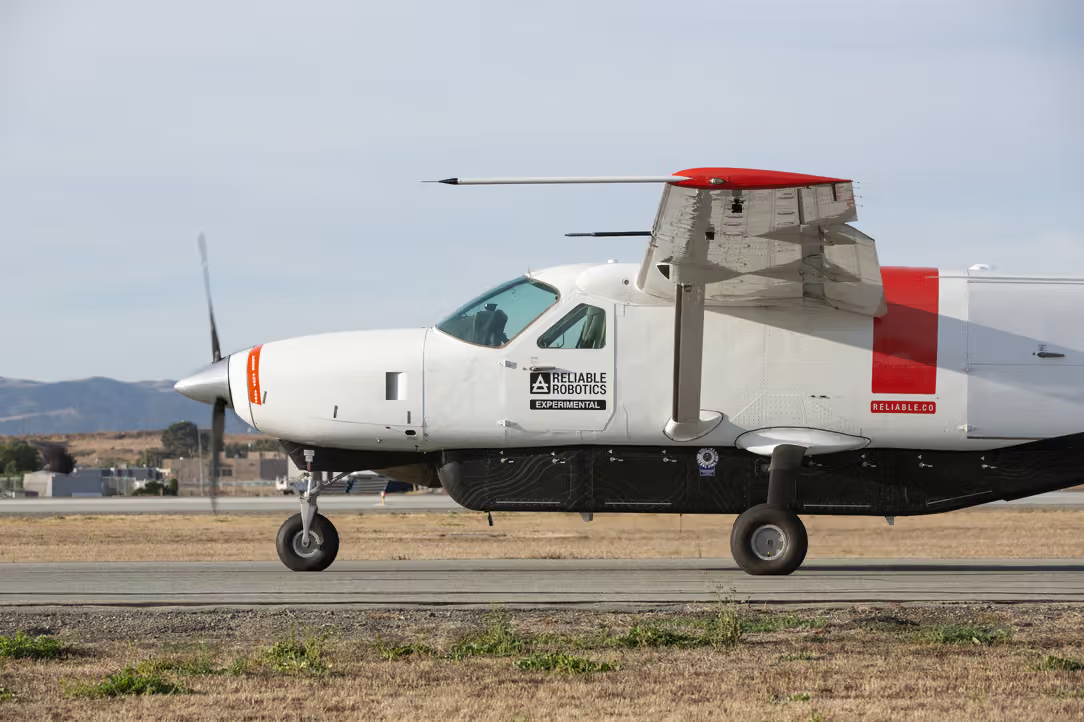
Heart Aerospace is on a mission to deliver regional electric air travel. To do so, the X1 concept needed to be cleared for first flight. See how Heart's engineers reviewed every wing test, ground run, and taxi test fast enough, all on Sift.
Heart Aerospace at a glance
FOUNDED
2018, Gothenburg, Sweden
HEADQUARTERS
Torrance, California
MISSION
Abundant air travel: more affordable, frequent, and cleaner flights to more destinations
BUILDING
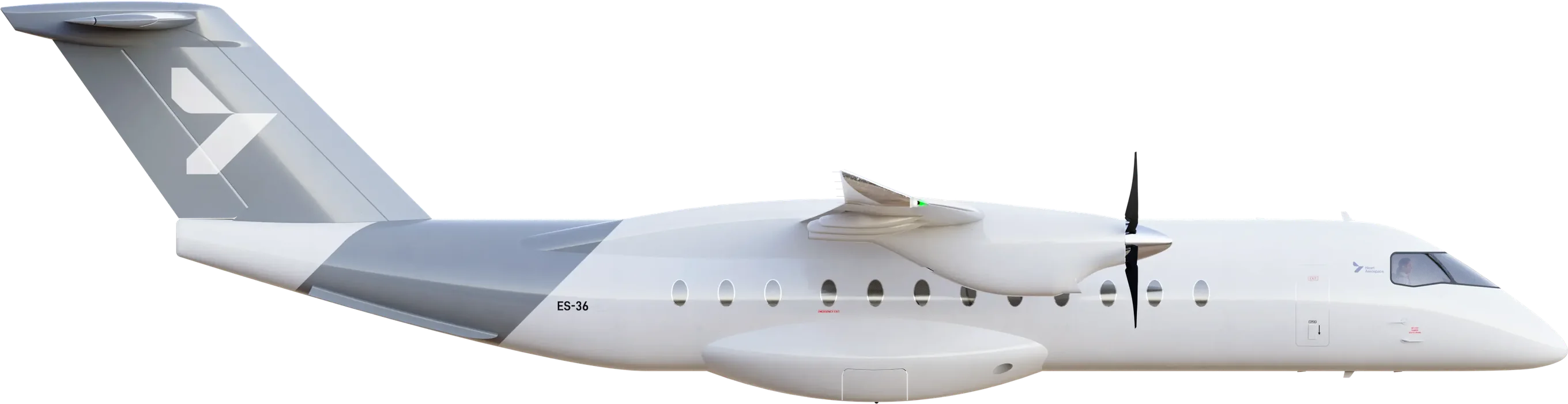
The ES-36, a 36-seat hybrid-electric regional airliner, proven out on the X1 demonstrator
36
Passengers
30 min
Charge time
55lbs
Luggage/pax
125mi
Electric range
745mi
Hybrid range
2031
Entry into service
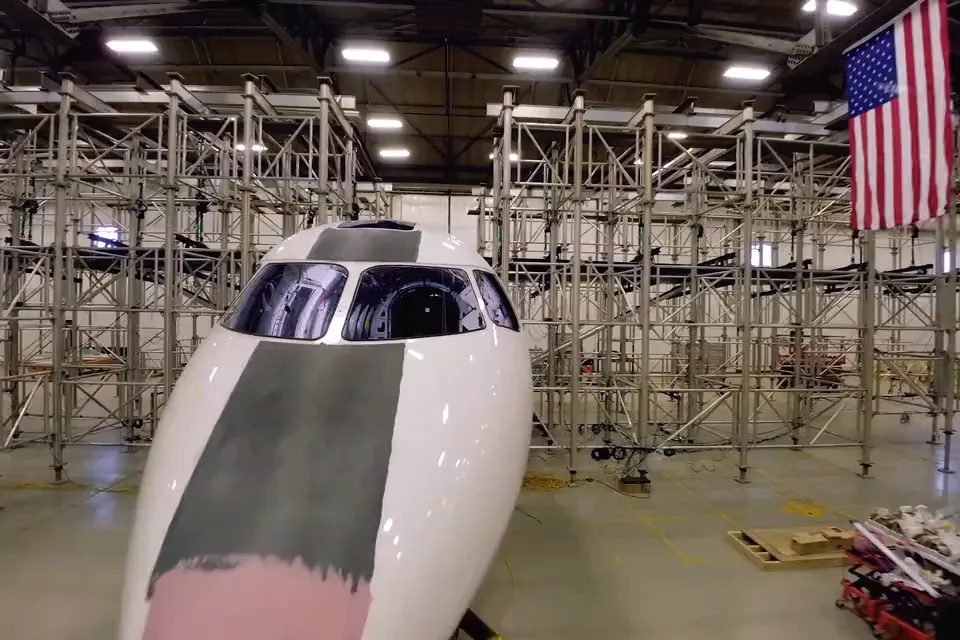
Heart Aerospace is building the ES-36, a 36-seat regional airliner designed to fly fully electric on short routes and hybrid-electric on longer ones, with entry into service targeted for 2031. The goal is to bring affordable flights back to regional airports that have lost them.
First, Heart had to fly the X1: a 106-foot, 25,000-pound electric demonstrator with no program to copy. Every phase of the campaign, from wing load tests to high-speed taxi, had to be reviewed and cleared before the next one could start. An open data question meant a lost test day.
Heart's engineers put their test data on Sift so the answer was ready when the test ended. Structures, propulsion, and flight controls engineers worked from the same data, and the program moved gate by gate to first flight.

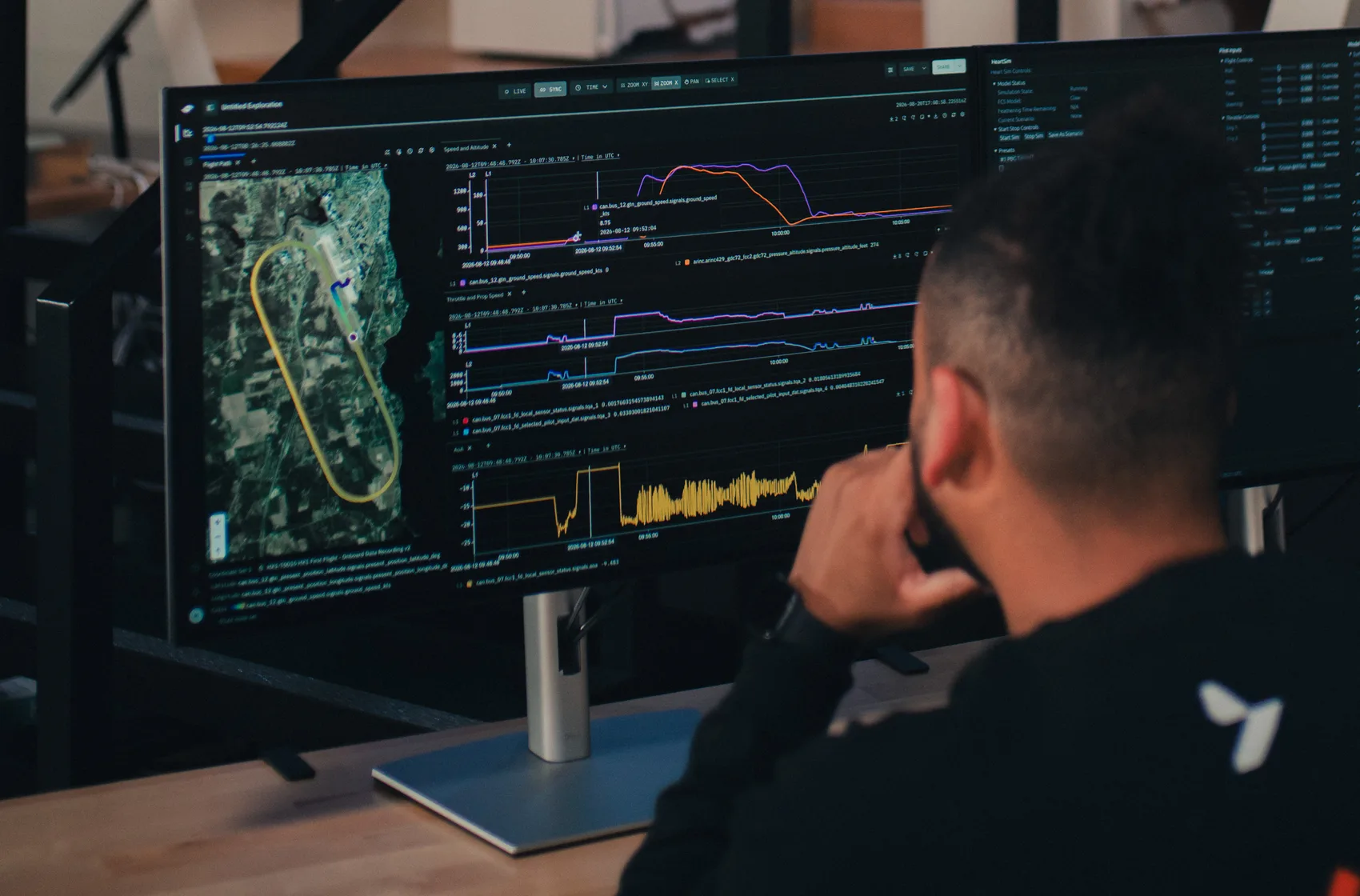
On campaigns gated test by test, every hour of waiting delays the next. But when someone has to manually pull data off the vehicle, process it, analyze it, then share it, bottlenecks are inevitable.
Stream every channel off the aircraft and test stands as it's recorded. Watch strain and displacement live during a structural test, annotate an anomaly without stopping, and send the exact view to a colleague or supplier. Heart's engineers do all of it in Sift.
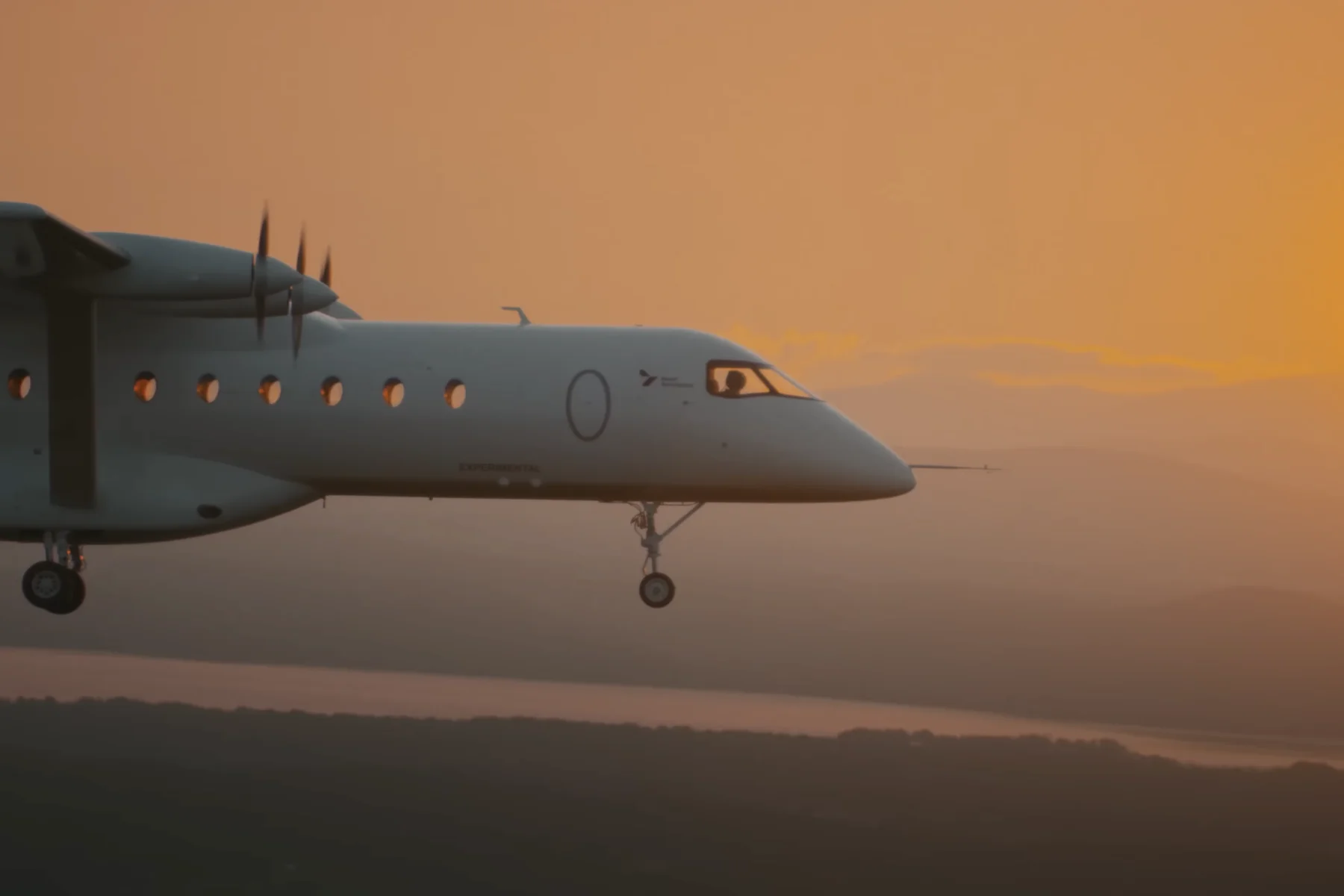
Wing load tests, ground runs, and low- and high-speed taxi tests were reviewed and signed off before the program advanced. With live test data and months of history available in Sift, Heart’s engineers could validate results, resolve data questions, and complete reviews on schedule as the X1 progressed toward first flight.

In their words

“Making telemetry accessible to everyone is an extremely powerful tool. You’re making decisions based on not gut, but factual data points.”
Alec de ZegherHead of Propulsion, Heart Aerospace

“I do not wait for someone to tell me the data is ready. I have immediate access using Sift during the test and directly afterward.”
Jarrell WashingtonStaff Structures Analyst, Heart Aerospace
106 ft
Wingspan of the X1
The world's largest electric aircraft to fly. Every wing load test had to be reviewed and signed off before the aircraft could move to taxi.
30 min
Before a full-aircraft test
Enough time to check three months of propulsion history, show an odd reading was a known pattern, and keep 30 engineers on schedule.
$9.4B
In customer commitments
Airlines including United Airlines and Air Canada have committed to Heart's production airliner. The X1 test campaign is where Heart proves it can deliver.
~14,500 hrs
Of recorded test time
All uploaded and analyzable in Sift, allowing Heart to compare months of campaign history.
Sift for Aerospace
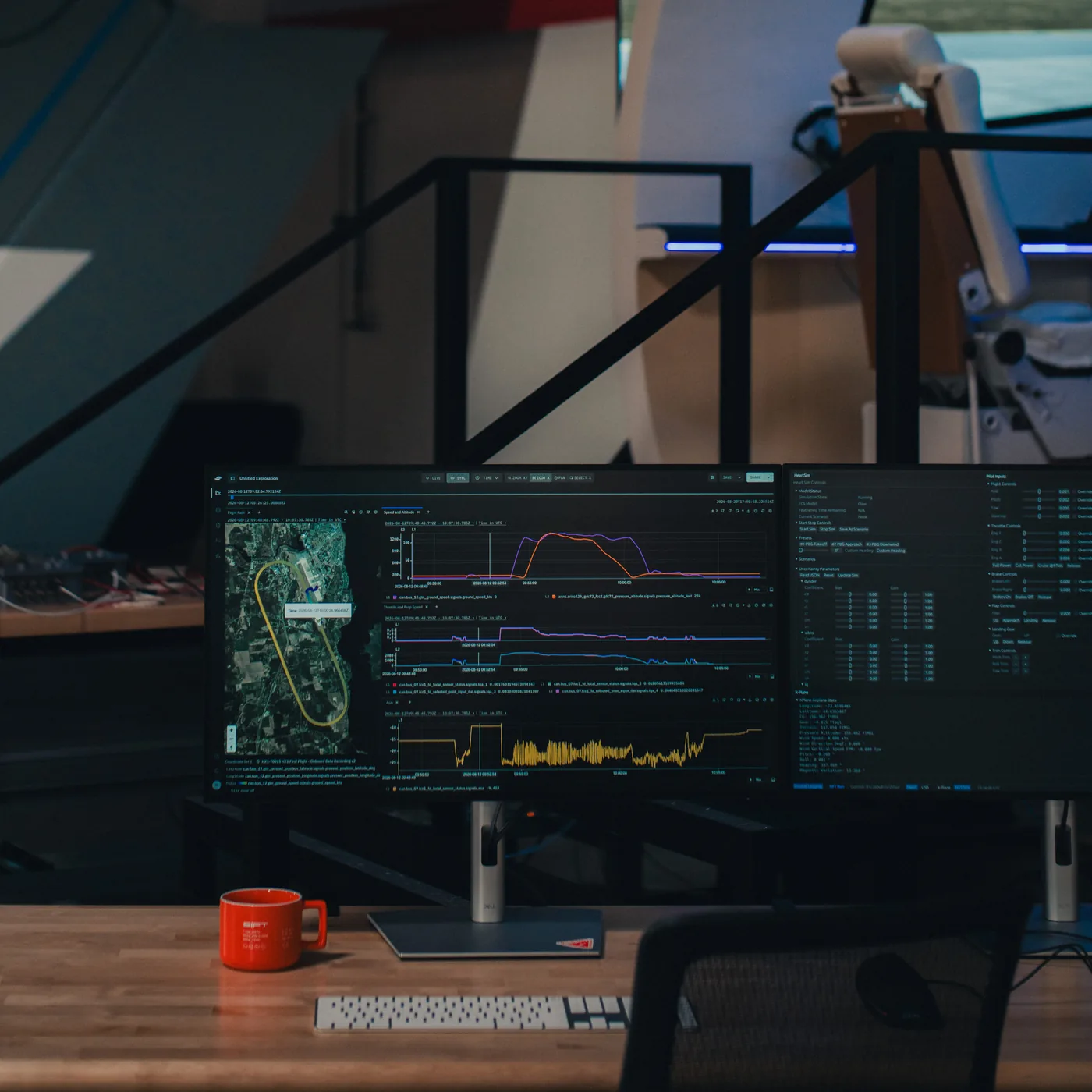
Months of history turn a stop-the-test moment into a decision. Thirty minutes before a full-aircraft test, Heart's propulsion team confirmed the pattern predated it and stayed on schedule. The history was already in Sift.
Write the X1's limits, 140 knots, 2,000 feet, 1.5 G, as rules. Every simulator session is checked automatically and every hard touchdown flagged. Heart runs seven in Sift Rules.
One link gives a colleague the same signals and time window, nothing rebuilt. Heart shared runs with suppliers; one returned a fix in a day. Sift links carried the context.
Sift features
Watch the system respond while you work on it
Stream channels as the aircraft or test stand runs, so a change on the hardware shows up on screen right away with live view.
Read every signal in one place
Bring strain, displacement, propulsion, and flight controls data into one no-code workspace with Explore, during the test and directly after it.
Send the exact view you're looking at
Share the precise signals, scale, and time window with a colleague or supplier with Sift share links, so nobody rebuilds the picture.
Mark it and keep testing
Annotate an anomaly the moment you see it and search for it after the test, instead of writing it on paper.
Clean up a noisy sensor on the spot
Build a moving average or derived signal as a calculated channel, without exporting to Excel or Python first.
Check every session against the envelope
Codify speed, altitude, load, and sink-rate limits in Rules and assess every simulator session against them.