Astrolab is building a fleet of lunar rovers under a NASA contract worth up to $4.6 billion. See how Astrolab keeps engineering velocity up and focused on the rover by putting all of its telemetry on Sift.
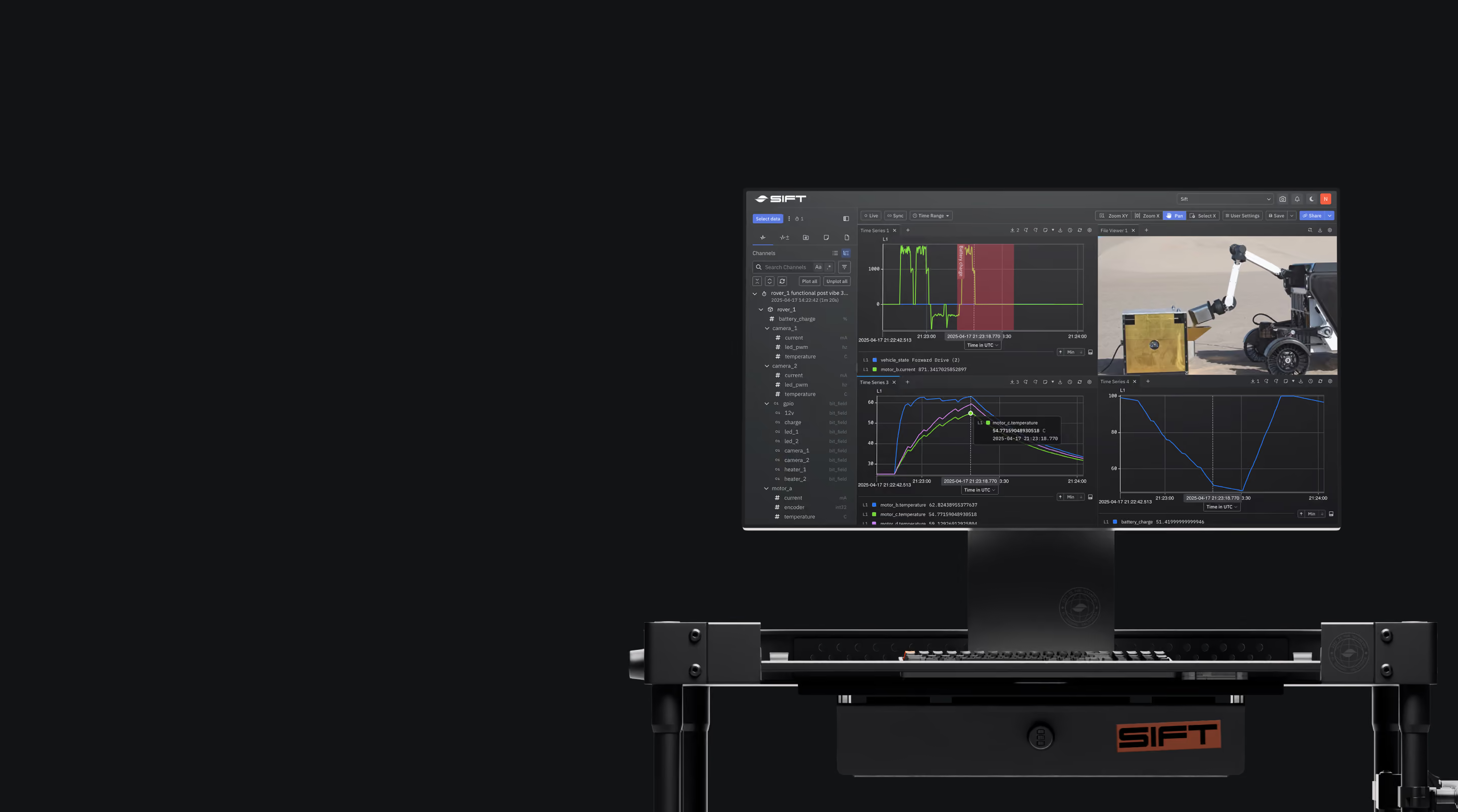
Astrolab at a glance
FOUNDED
2020
HEADQUARTERS
Hawthorne, California
MISSION
Creating logistics networks and economies on the Moon and Mars
BUILDING
A fleet of multi-purpose lunar rovers for NASA's Artemis program and commercial industry
Humanity is going back to the Moon and Astrolab is building the rovers to do it. In May 2026, NASA selected Astrolab to deliver a crewed rover by 2028: a $219 million task order under a contract worth up to $4.6 billion.
A rover bound for the Moon has to be rigorously tested and proven. That means thousands of hardware-in-the-loop, simulation, and field tests, with certified genealogy on every component, and full data visibility for NASA and partners. There are no service calls on the lunar surface.
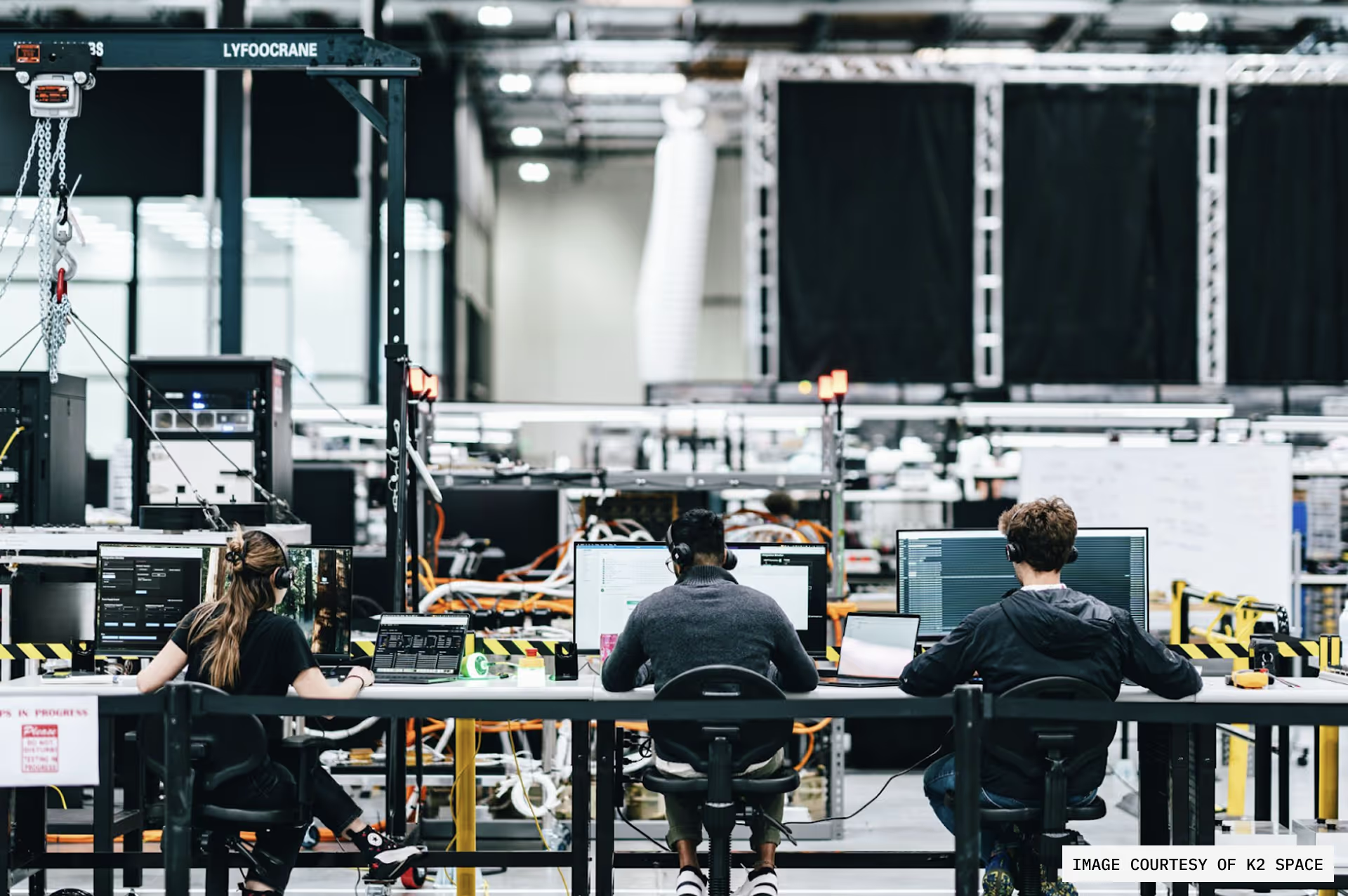
To accomplish this, most hardware organizations burn precious time here, pulling engineers off the vehicle to build data tooling that compounds into tech debt as the program scales. Astrolab's founders had seen what a strong telemetry stack does for engineering velocity, so they made the call early: put everything on Sift and keep every engineering hour on the rovers themselves.

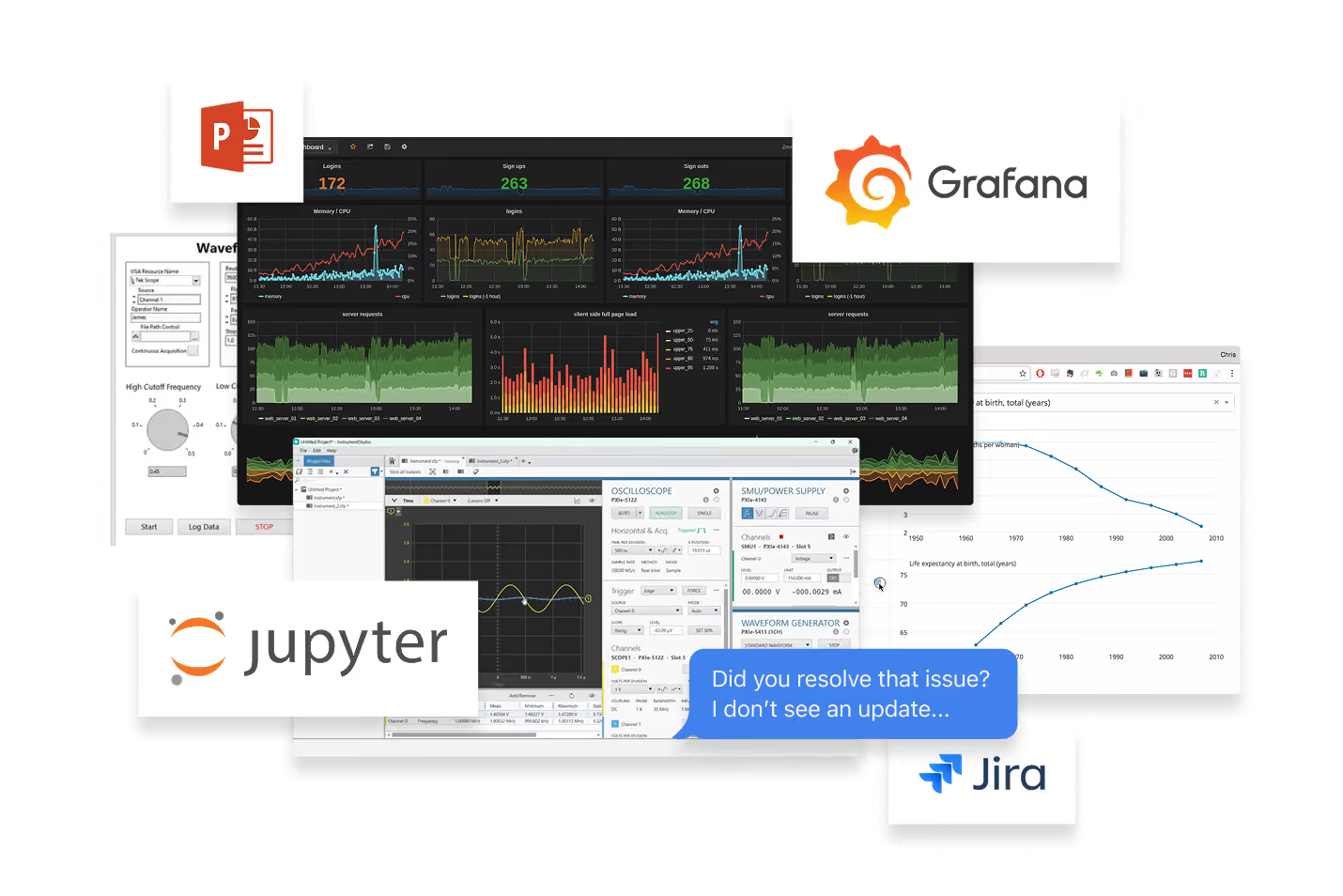
A program's data needs grow with every phase: streaming field-test telemetry, reviewing thousands of simulation runs, and then doing it again as the design iterates. Add some test stands, then grow from one vehicle to a fleet.
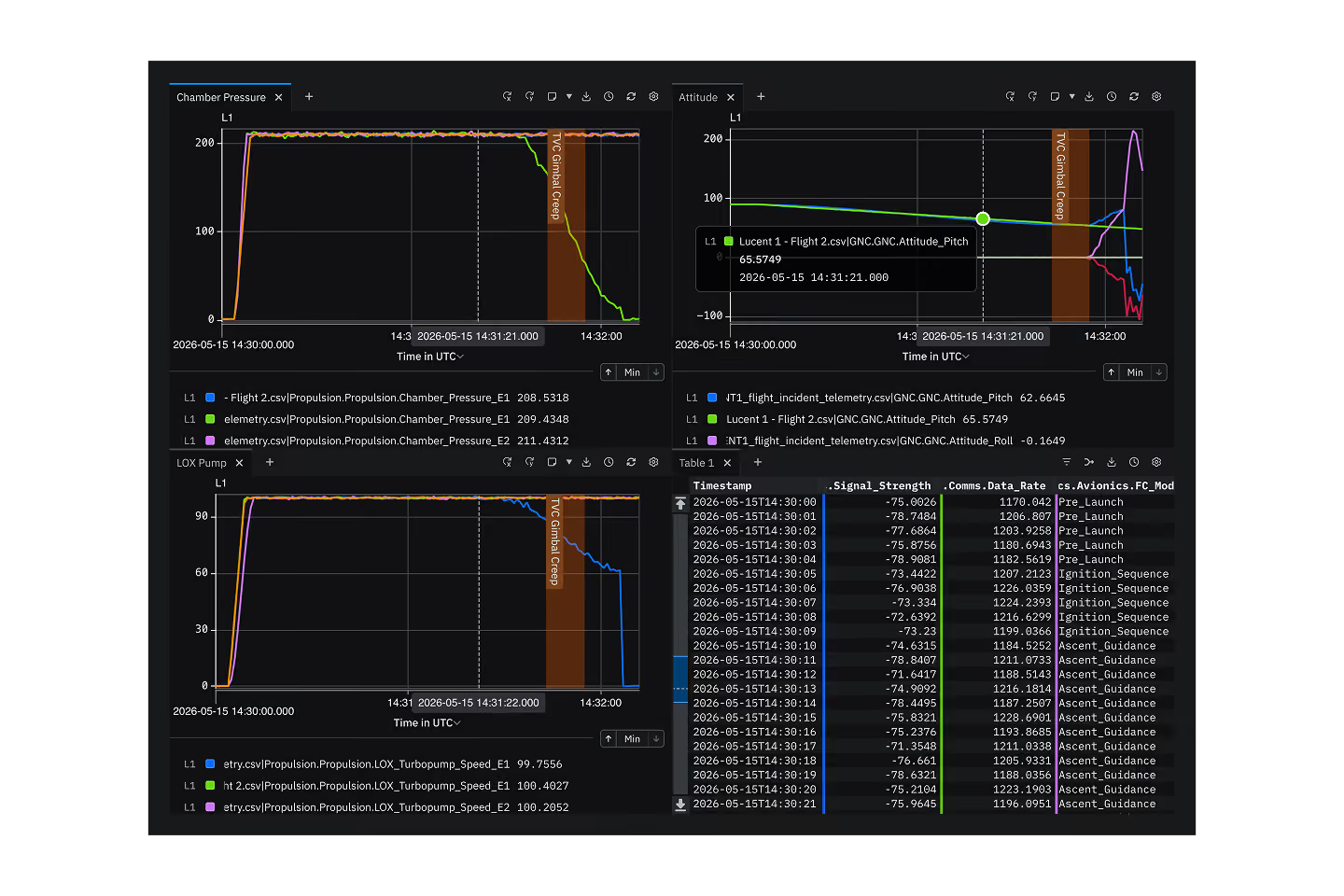
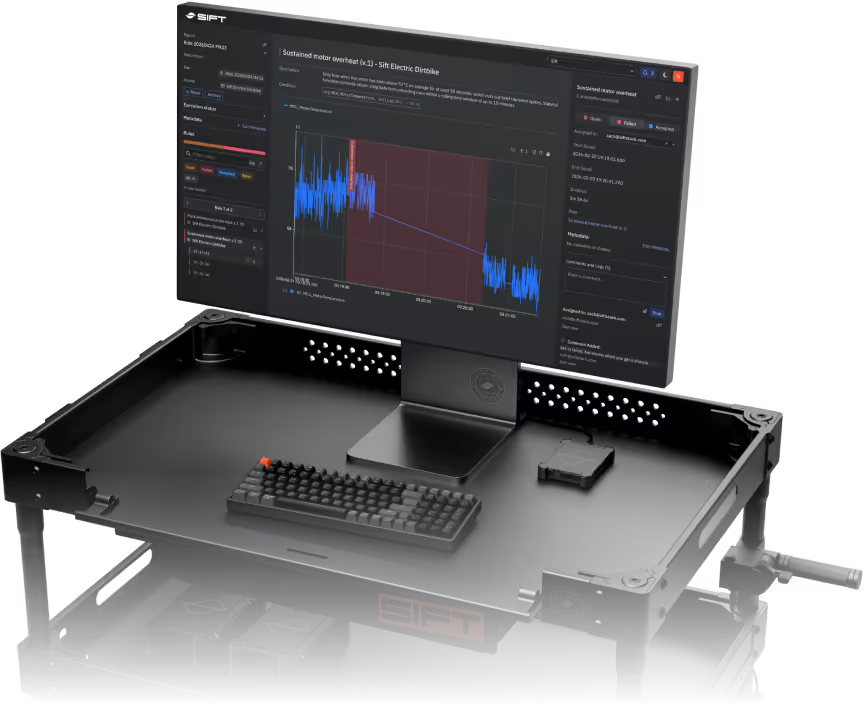
See live field-test streams, analysis, and historical qualification data on one timeline, keep context attached with the data with annotations, and govern exactly who sees what with attribute-based access control, all with Sift.
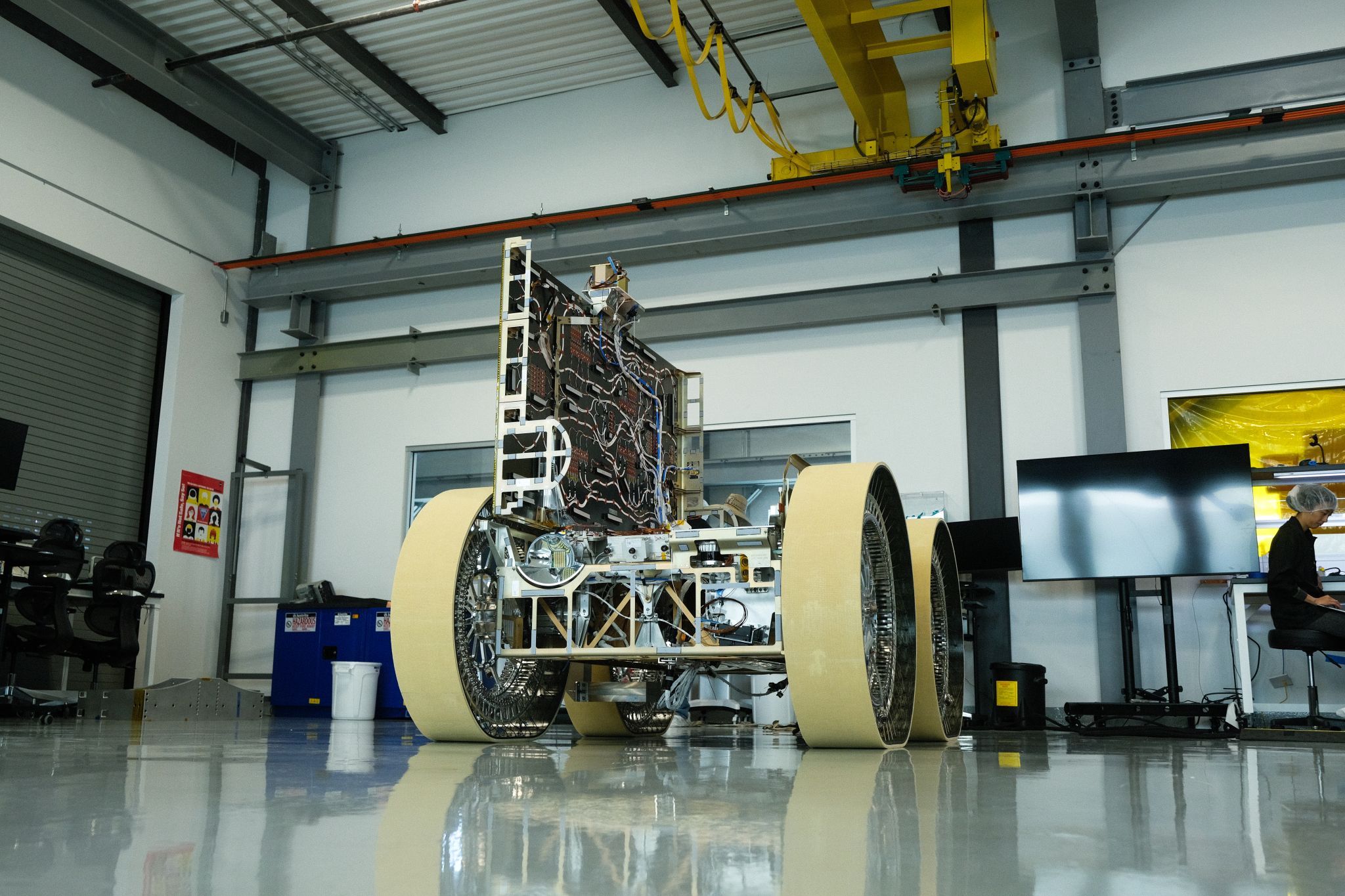
Automated data review means more frequent releases and risks caught before they reach flight hardware. And NASA gets the visibility the contract requires without a single record put at risk.

In their words
Choosing Sift was an important decision for us. It eliminates a big dilemma on whether we spool up internal resources to design a tool, or spend time trading other tools. It provides a one stop shop for all of our data, telemetry, storage, and access needs.
Niraj Patel Senior Software Engineer, Astrolab
$219M
NASA's task order for Astrolab's Crewed Lunar Vehicle
The stakes behind every test. A crewed Artemis rover due by 2028 leaves no schedule slack for building internal tools.
950kg & 10km/hr
CLV-1's maximum mass and top speed
Every kilogram and every km/hr is proven on the test stand and in the field, with the data streaming into Sift.
5,000+ hrs
Engineering time saved with Sift
Hours that would have gone to building and maintaining an in-house data stack went into the rover instead.
$100k+
Cost savings on internal tooling with Sift
Direct savings from never standing up internal infrastructure, before counting the maintenance headcount Astrolab never had to hire.
Sift for Aerospace
Astrolab chose Sift early instead of building and maintaining an in-house stack. Its engineers have saved roughly 5,000+ hours and hundreds of thousands in cost, all redirected to the vehicle NASA is paying for.
Astrolab runs thousands of hardware-in-the-loop and field tests across its rover program. Sift automates data review, so the team releases more frequently and catches risks before they reach flight hardware.
Astrolab collaborates with external stakeholders and certifies hardware genealogy across a fleet headed to the Moon. With Sift's attribute-based access control and automatic certification, they share exactly the right telemetry with exactly the right people.

Sift features
Run HITL, simulation, and field tests on one timeline
→
Compare simulated and real-world performance without reconciling streams as every test type streams into Sift.
Share telemetry with NASA and partners, confidentiality intact
→
Govern exactly who sees which records and meet contract requirements without slowing the program, all with attribute-based access control.
Annotate anomalies right where the data lives
→
Keep context attached to the signal, so it follows the data wherever it goes with in-line annotations.
Open the exact view your colleague shares
→
Share the precise signal, scale, time window, and annotations with Sift sharelinks.
Generate audit-ready compliance reports in one click
→
Aggregate test results against requirements and keep certification moving with Sift Reports.
Act the moment anomalies are detected
→
Live alerts fire in real time and push every event to the tools the team already runs.