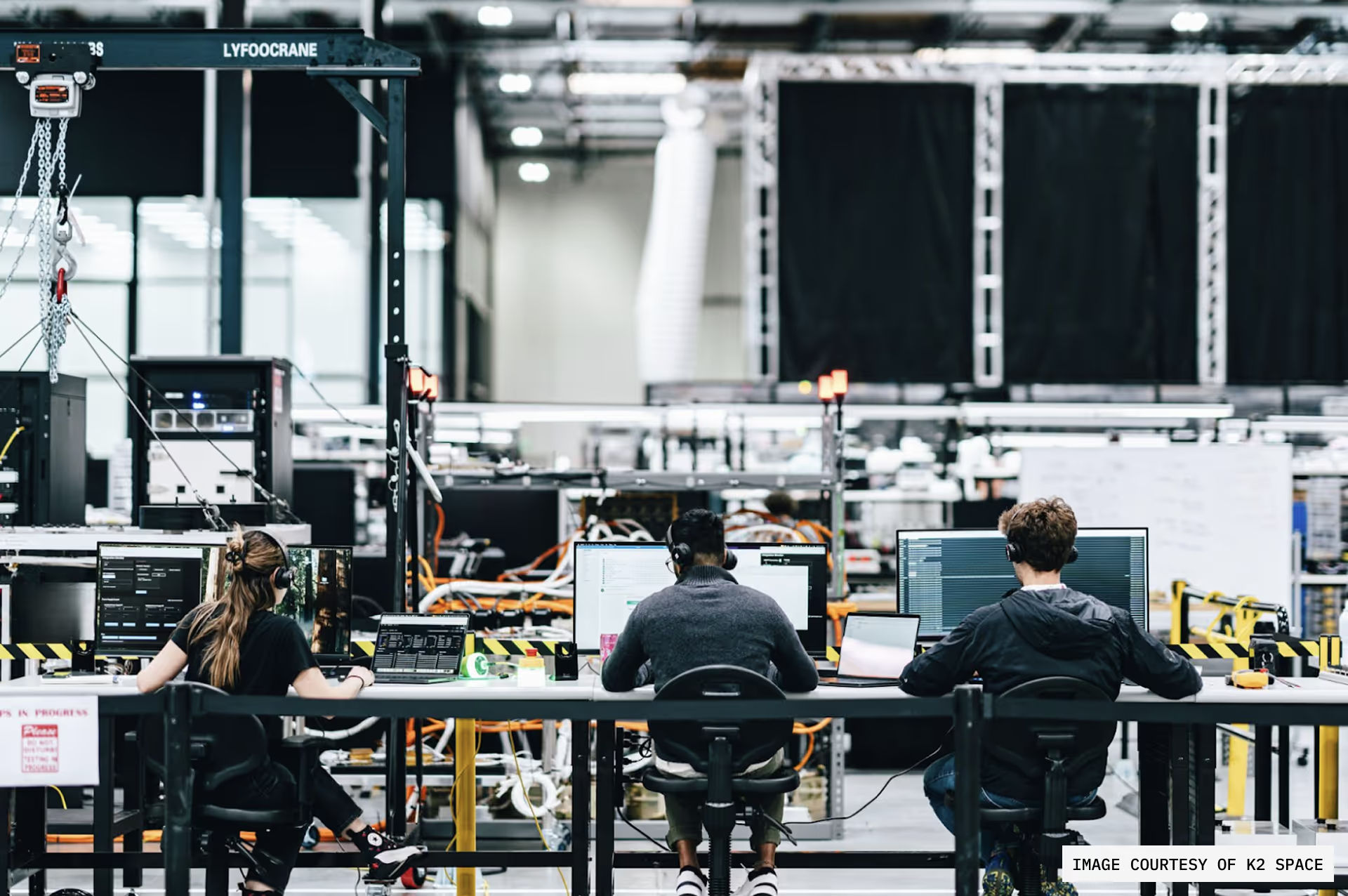
K2 is chasing a multi-billion dollar opportunity by building the satellites of the future, at scale. To do so, they need test infrastructure that won’t miss a beat. Here's K2 chose Sift.
K2 at a glance
FOUNDED
2022
HEADQUARTERS
Torrance, California
MISSION
Making previously impossible space missions possible
BUILDING
High-power, low-cost satellites for next-generation constellations
K2 is trying to break satellites' oldest constraint: the correlation between mass and cost. If they can crack it, it means high-power, high-capability satellites at low cost — a game changer for the space industry.
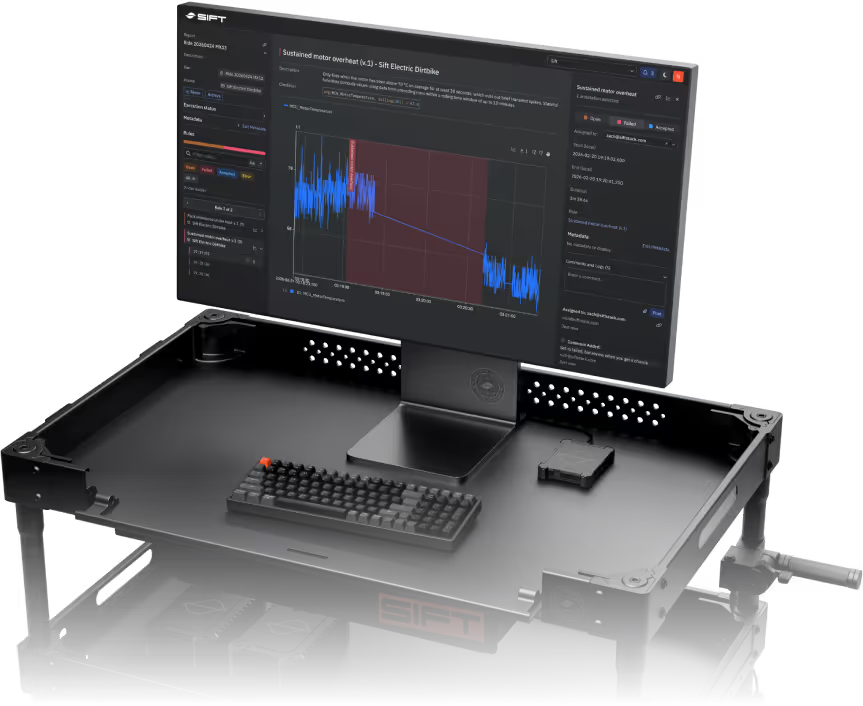
Every design iteration is proven on the test stand, where engineers watch telemetry live and react to anomalies as they happen. One missed threshold means critical, expensive hardware is lost, or worse, puts the team at risk.
K2’s technical complexity and need for scaling quickly outgrew its tools. Their team went from producing 10MB of data over a summer to terabytes per test day. This is the scale where DIY stacks crumble and force trade-offs between engineering velocity, safety, and scaling. The choice was to pull engineers off the satellite to build a platform in-house or get a purpose-built solution. K2 chose Sift.

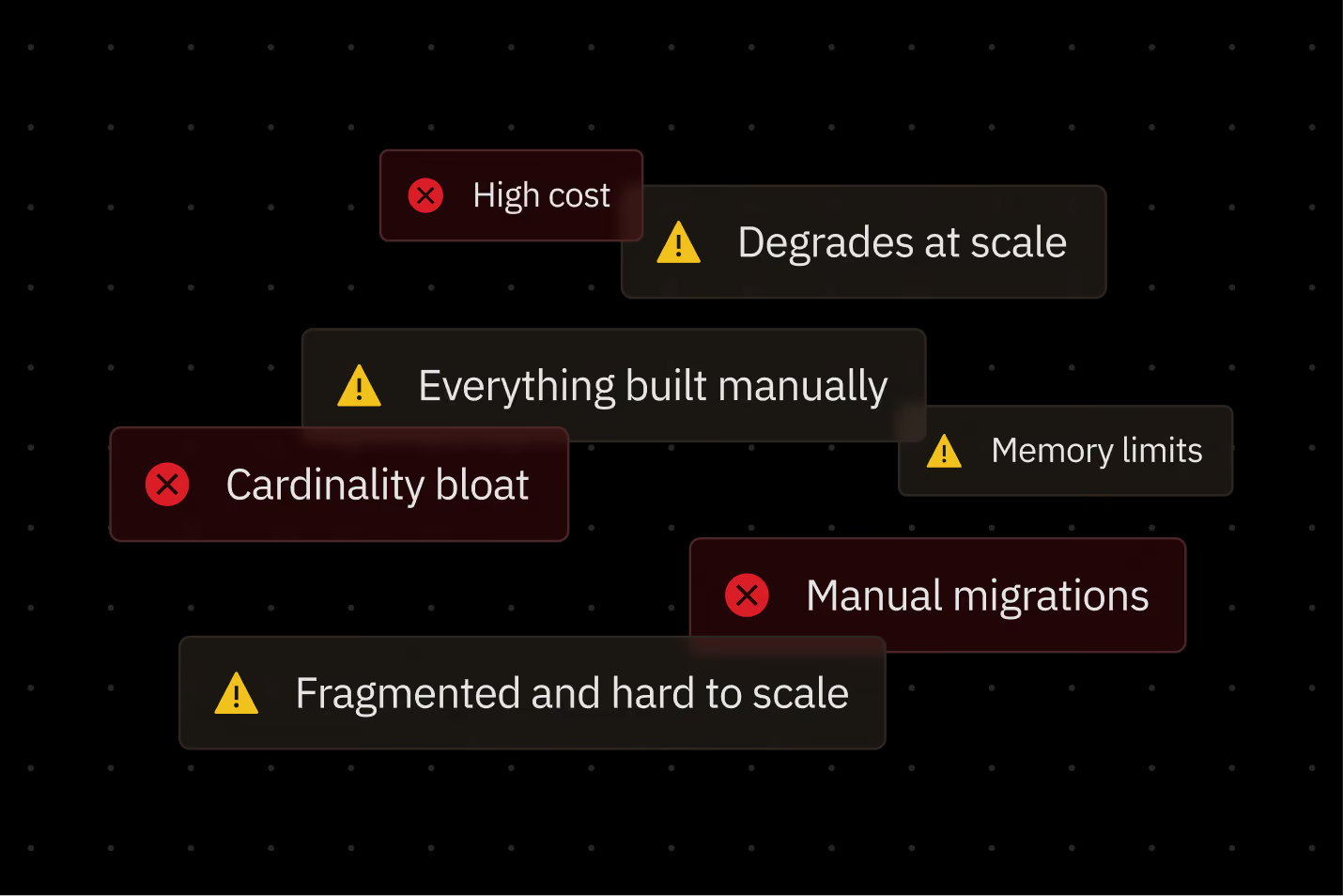
Traditional telemetry stacks collapse at K2’s scale. Databases choke on write latency, dashboards buckle under millions of sensor channels, and every new sensor or firmware revision threatens a schema migration.
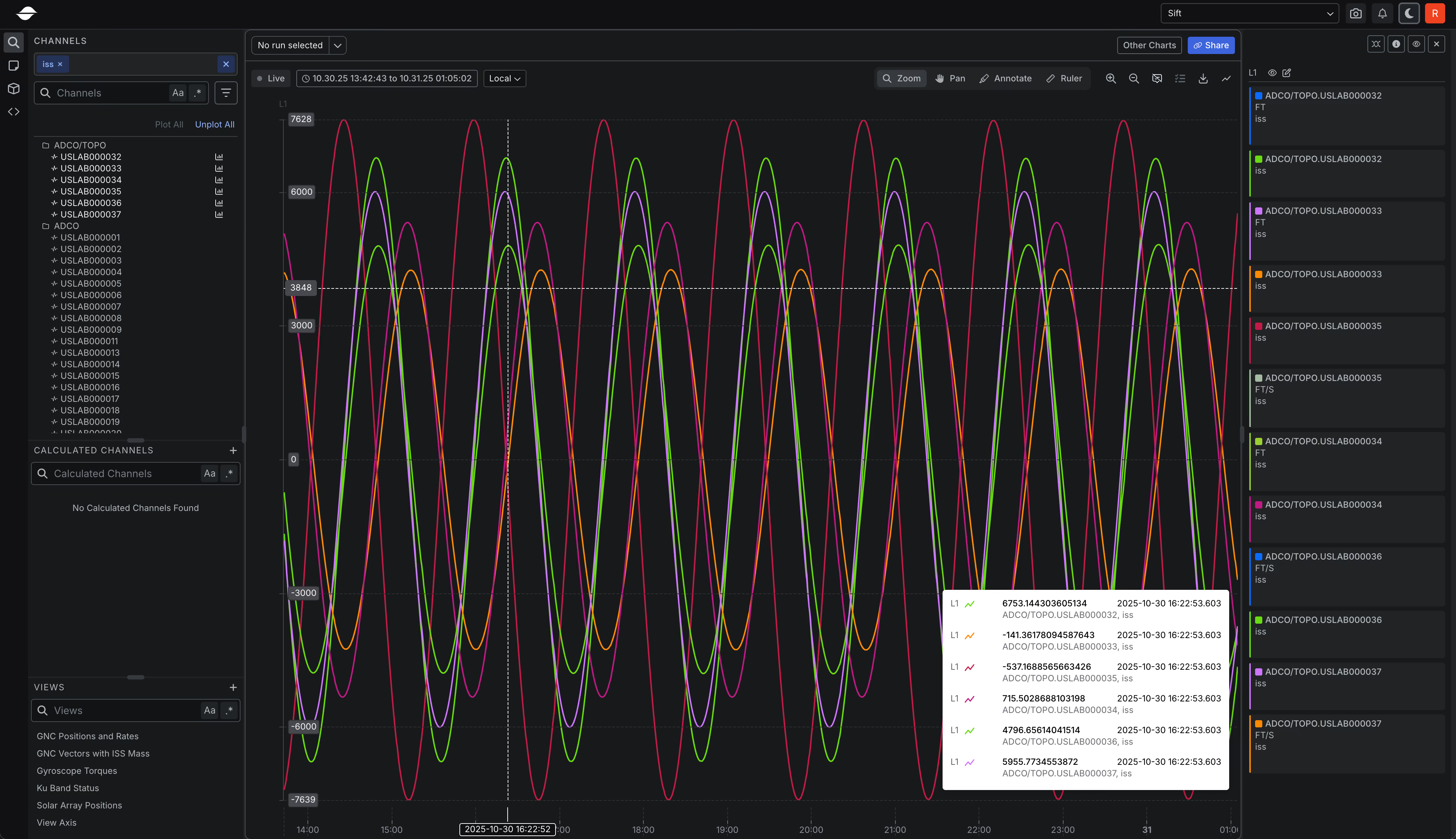
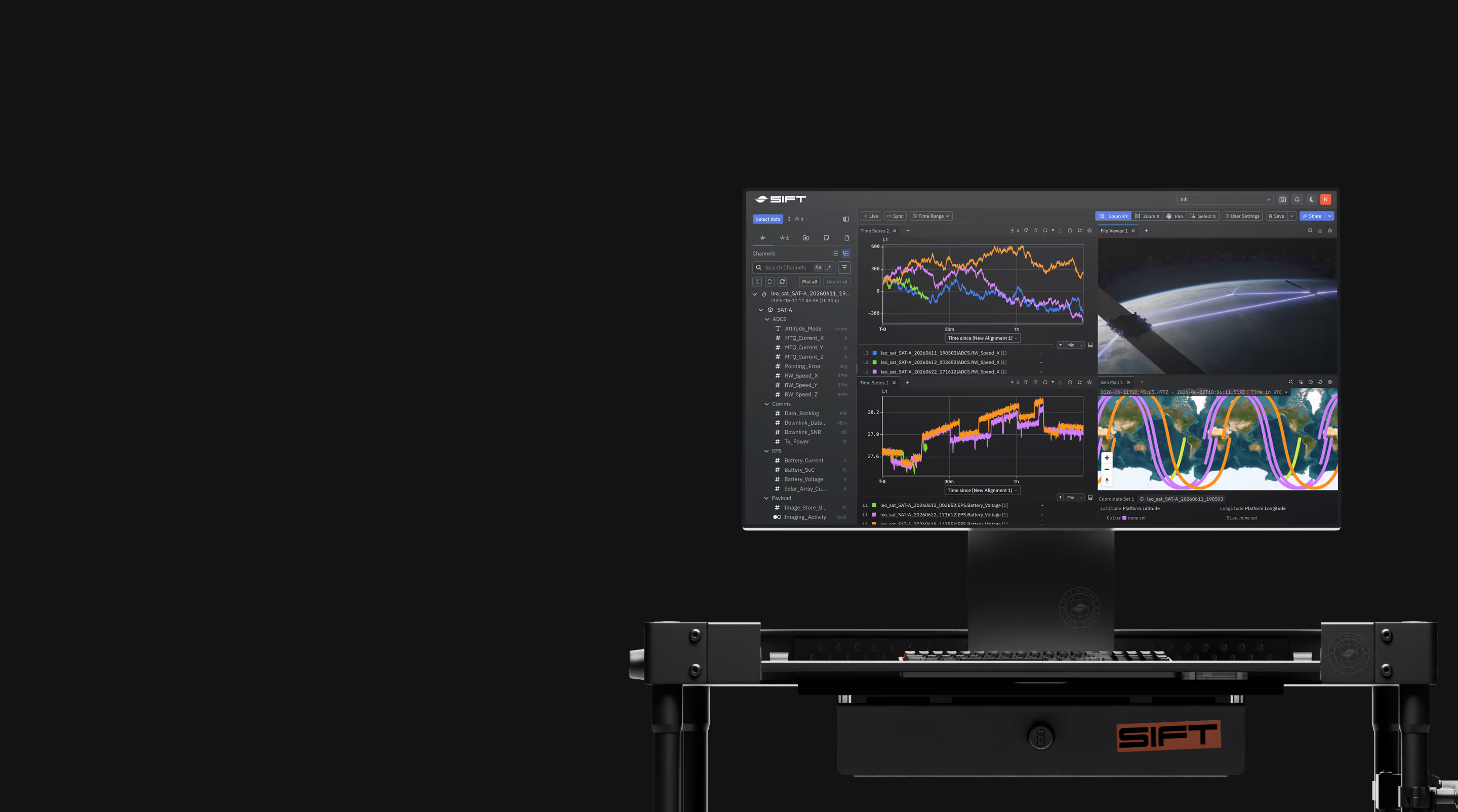
Balancing latency, cardinality, and dynamic schemas keeps K2's data at their fingertips. Live and historical telemetry sit on one timeline, with no migrations or downtime, all with Sift.
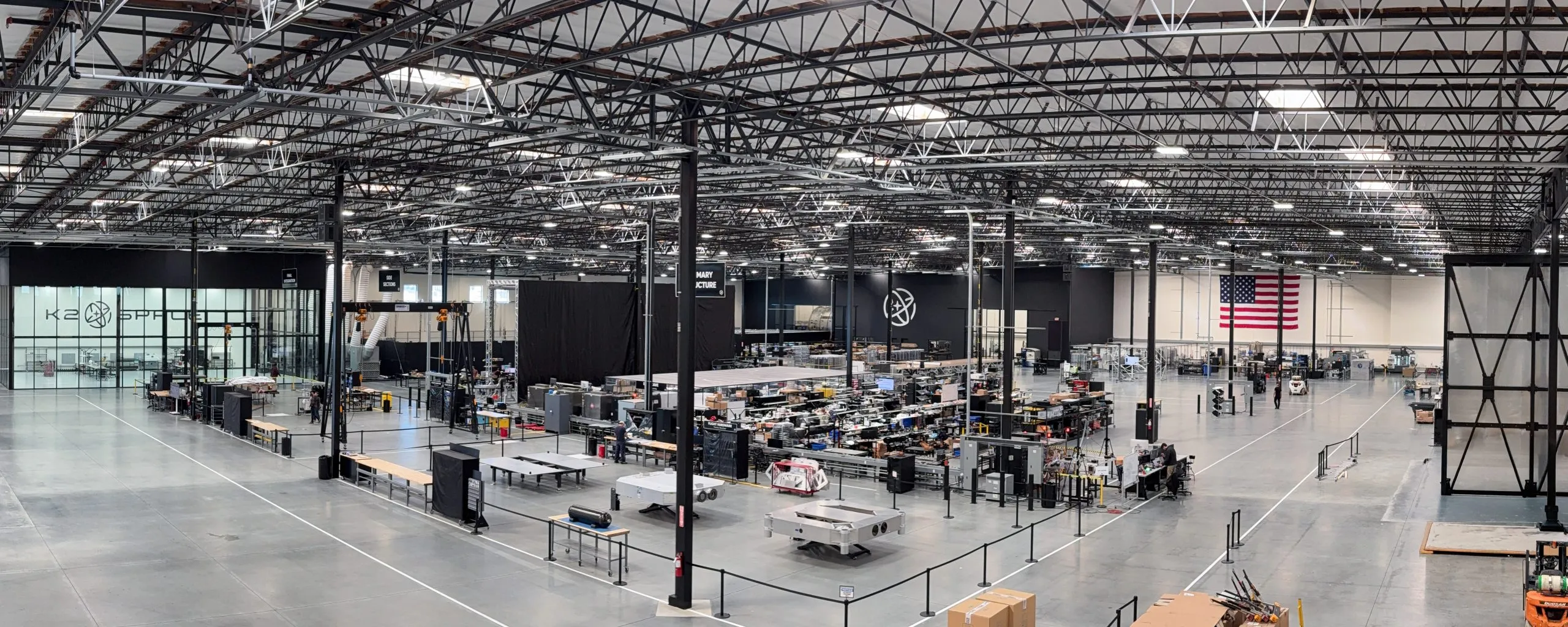
Engineers catch anomalies on safety-critical hardware as they happen. Testing scales across the entire production line without adding engineering hours. And one shareable link replaces screenshots and one-off scripts, so decisions move faster.

In their words
Sift [is] critical in making operations seamless, automatically flagging out-of-bounds telemetry, and helping us close the design loop by using real-world data to improve.
Neel Kunjur CTO & Co-Founder, K2 Space
20M
data points/second
Generated by K2’s hardware during test. Sift streams every point live; nothing is dropped.
TB/Day
data volume of K2 assets being streamed into Sift
Up from 10MB over a summer. Sift scaled with them, no re-architecture required.
99%
of streamed data writes in milliseconds
Data reaches the screen while hardware is still on the stand, fast enough to act on.
<1s
write latency on millions of data points streamed
Out-of-bounds readings surface in real time, before an anomaly becomes lost hardware.
Sift for Aerospace
Engineers act on out-of-bounds readings as telemetry streams in, with sub-second write latency at nearly 20 million data points per second.
K2 parses terabytes of telemetry per test day through high cardinality and changing schemas, with live and historical telemetry on one timeline.
Engineers open a single shareable link with full context that holds steady when hundreds load it at launch, closing the design loop with real telemetry.
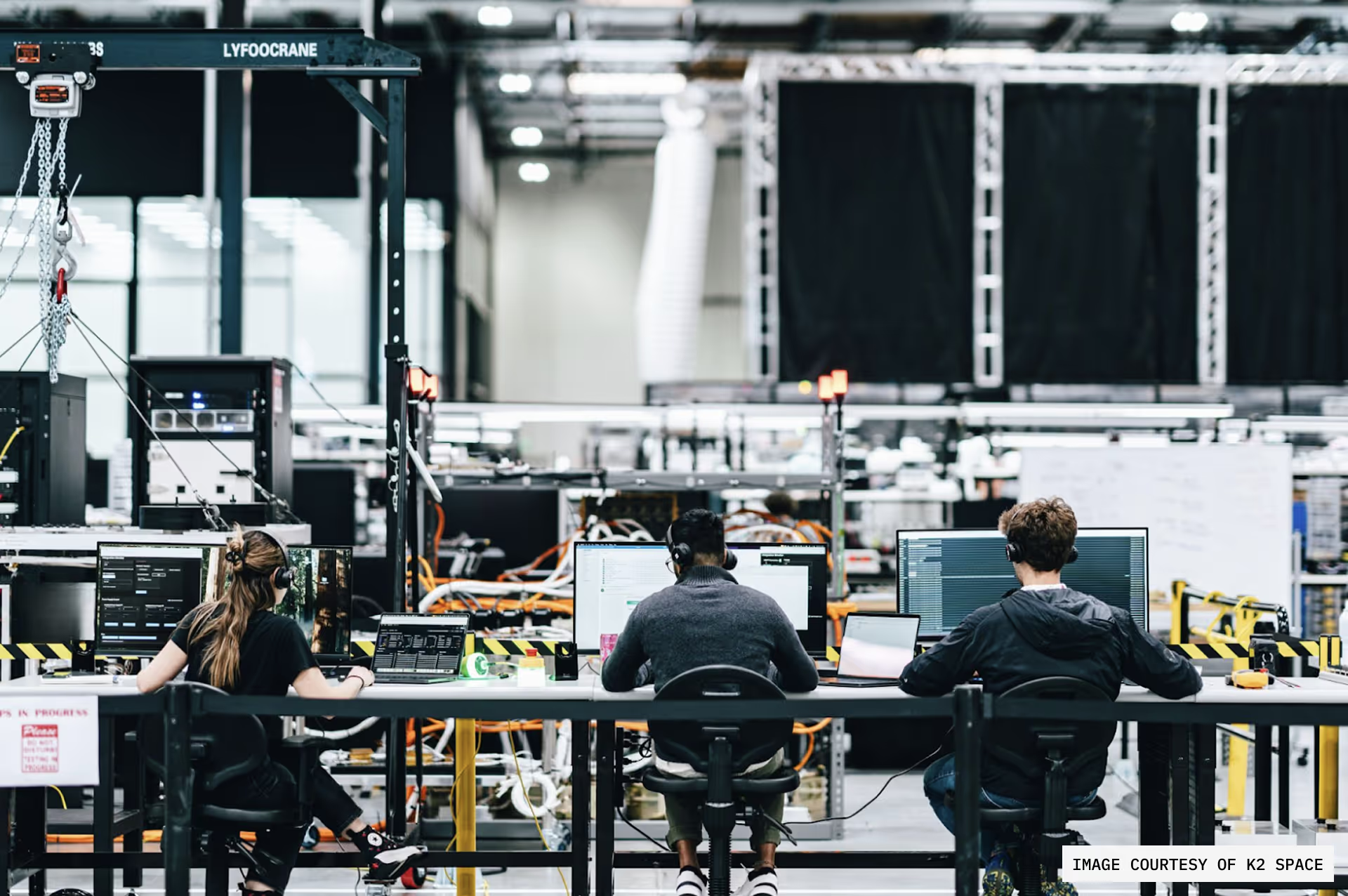
Sift features
Parquet columnar storage format decouples storage from compute
→
Historical test data is queryable in minutes, not hours or days.
Purpose-built infrastructure keeps every data point ready
→
Engineers act on anomalies in real time on safety-critical assets.
Cold/historical data queryable in minutes
→
Any live test can be compared against any past campaign.
Hot cache keeps streaming data available during live ops
→
Live views stay responsive at launch.
Data access for hundreds of concurrent users during live mission ops
→
The whole team works from the same data, not copies of it.
Balances latency, cardinality, and dynamic schema
→
New sensors land daily with no migrations or downtime.